
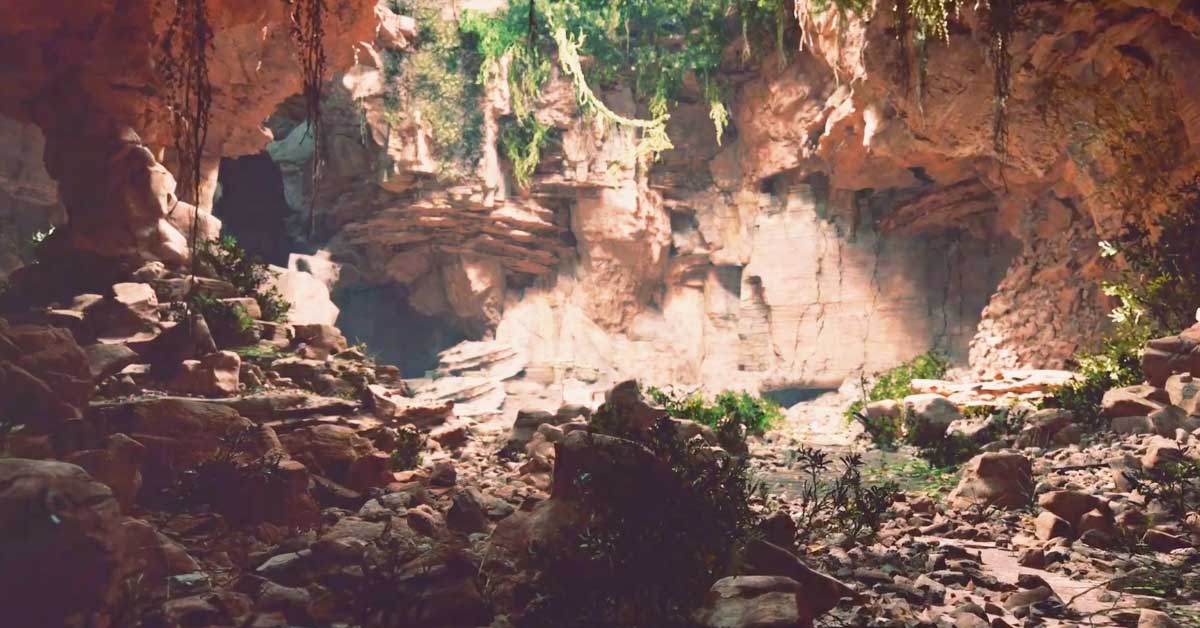
Imagine standing at the mouth of a cave where powerful winds rush outward like breath from a living dragon, inviting you into a subterranean world carved over five million years by hidden underground rivers. Massive chambers unfold with crystal-clear lakes reflecting ghostly stalactites, blind salamanders gliding silently through inky waters, and colossal collapsed ceilings revealing passages that geologists believe stretch toward the distant Adriatic Sea. Vjetrenica Cave reveals itself as Bosnia and Herzegovina’s longest explored cave and the planet’s most biodiverse underground ecosystem, home to nearly 200 unique species including thirty-seven discovered nowhere else on Earth. This comprehensive guide to Vjetrenica Cave equips you with everything needed for an unforgettable adventure, from detailed tour logistics and packing essentials to rich historical context and nearby natural wonders that transform a simple visit into a profound journey through time and geology.
What makes Vjetrenica Cave truly mesmerizing lies in its perfect balance of raw power and delicate beauty, where the constant 11-degree Celsius interior maintains perfect conditions for fragile cave life while massive airflow through seven kilometers of surveyed passages creates an almost mystical atmosphere. Professional guides illuminate narrow endemic creatures like the olm salamander—known locally as the “human fish”, and bizarre subterranean tubeworms found nowhere else globally, sharing stories of Neolithic humans who sought shelter here ten thousand years ago. Located in the dramatic karst landscape of Popovo Polje near the village of Zavala, the cave sits roughly one and a half hours’ drive from Mostar and slightly less from Dubrovnik, making it an accessible yet genuinely adventurous day trip destination. Families enjoy guided tours suitable for children over five, photographers capture ethereal light beams piercing vaulted ceilings, and nature enthusiasts marvel at underground lakes stretching 180 meters into darkness.
Generations of legends enhance the experience, local tales speak of Ottoman soldiers vanishing into passages never to return, creating the nickname “Turkish Graveyard” for certain stalagmite clusters, while modern speleologists continue mapping what may prove Bosnia’s connection to the sea. Spring visits coincide with wildflower-strewn Popovo Polje meadows perfect for picnics, while autumn offers crisp air ideal for extended exploration of surrounding cycling trails and 13th-century Orthodox monasteries. This meticulously researched guide combines practical planning wisdom, vivid descriptions of what awaits inside, authentic dining recommendations featuring local trout and lamb specialties, and thoughtful itineraries ensuring your Vjetrenica Cave adventure becomes a highlight of any Balkan journey. The cave’s winds call from deep within—answer with preparation and wonder.
Table of Contents
Introduction to Vjetrenica Cave
Vjetrenica Cave nestles at the western edge of Popovo Polje, a vast karst polje in Bosnia and Herzegovina’s Ravno municipality within the Herzegovina-Neretva Canton, sitting at 260 meters above sea level amid the striking Dinaric Alps landscape. Recognized as the longest surveyed cave in the country with 7,014 meters of mapped passages, including a main channel stretching 2.47 kilometers, it likely extends much farther toward the Adriatic Sea according to geological predictions estimating 15 to 20 kilometers total length. The name “Vjetrenica,” meaning “wind cave,” perfectly captures its distinctive feature of powerful breezes flowing through the entrance and exit due to temperature differences between the stable interior and surface air.
Public access began in 1964 after official protection as a geomorphological reserve in 1950, though closure during the 1991-1995 war kept it hidden for 18 years until reopening in 2010 with professional speleological management. Currently included on UNESCO’s tentative World Heritage list since 2025 for its extraordinary biodiversity, the cave houses approximately 200 species with 100 troglophiles specifically adapted to cave life, including 37 species discovered and described for the first time within its chambers. The famous olm salamander, known affectionately as the “human fish” for its pale skin and pale eyes, serves as the system’s iconic emblem alongside the world’s only known subterranean tubeworm species.
Guided tours depart from the Zavala entrance located 100 meters from the stylish Stanica Ravno restaurant and a restored 13th-century Orthodox monastery, creating a multifaceted destination combining natural wonders with cultural heritage. Constant interior temperature of 11 degrees Celsius and high humidity create ideal microclimates sustaining delicate ecosystems, while the cave’s hydrography features four main underground streams, Veliko Lake measuring 180 meters long, Duboko Lake reaching four meters deep, seasonal waterfalls, and mysterious creeks flowing in unexpected directions. Ancient roof collapses create dramatic “unnatural ends” piled with house-sized boulders hinting at undiscovered continuations beyond current mapping efforts.
History of Vjetrenica Cave
Geological processes spanning roughly five million years shaped Vjetrenica Cave during the Pliocene epoch through selective tectonic uplift of Popovo Polje that eliminated surface water flow, forcing dramatic karstification as precipitation drained entirely underground. Late Jurassic carbonates form the upper disc while underlying Triassic dolostone creates the unconformable contact, with lacustrine shelfstones in Majmunski prolaz dating back 380,000 years to phreatic paleolake conditions that once filled portions of the system.
19th-century Ottoman noble Hadžibeg Rizvanbegović first documented the cave, naming certain stalagmite clusters the “Turkish Graveyard” after outlaws used the chambers as refuge with stone tables and seats suggesting organized gatherings. Neolithic human traces dating back 10,000 years reveal early shelter use, while a 6th-century Natural History reference hints at ancient awareness of the system’s extent. Formal protection arrived in 1950 as a geomorphological nature monument, with public tours commencing in 1964 until war closure in 1991 preserved the interior remarkably intact through 18 years of isolation.
Speleologists resumed mapping post-2010 reopening, documenting seven kilometers while predicting much greater total extent based on water tracing studies. The cave escaped significant war damage unlike nearby urban centers, and international funding supported infrastructure development including visitor centers and conservation laboratories. UNESCO tentative listing in 2025 recognizes its unparalleled subterranean biodiversity alongside geological significance within the Dinaric karst system, positioning Vjetrenica Cave as a cornerstone of European speleology representing millions of years of uninterrupted geological-human-nature interaction.
Geological Features of Vjetrenica Cave
Vjetrenica Cave showcases karst perfection through its main south-trending channel of 2.47 kilometers connecting vast halls, winding corridors, and clustered speleothem galleries adorned with flowstone draperies and delicate cascades. Veliko Lake represents the longest underground water body at 180 meters, while nearby Duboko Lake plunges four meters deep flanked by permanent creeks and seasonal streams flowing in mysterious directions through breakdown chambers. Dramatic waterfalls plunge into darkness from elevated passages, and periodic flooding creates temporary lakes that reshape gravel beds within larger halls.
Powerful winds blowing consistently from the entrance signal vast internal airflow driven by temperature gradients between the stable 11-degree interior and fluctuating surface conditions, earning the cave its evocative “blowhole” nickname among early explorers. Ancient ceiling collapses scattered throughout create imposing “unnatural ends” piled high with house-sized limestone blocks, suggesting extensive undiscovered passages continue beyond current survey limits toward predicted Adriatic connections. Stalactites and stalagmites prove surprisingly rare compared to flowstone curtains, moonmilk coatings, and helictite formations twisting in defiance of gravity from chamber walls and ceilings.
The cave’s unique geology results from Pliocene unconformable Miocene marly limestone overlying Triassic dolostone, creating ideal conditions for aggressive karst dissolution over millions of years. Paleolake shelfstones preserved in Majmunski prolaz provide concrete evidence of ancient water levels 380,000 years ago, while modern hydrography reveals complex interactions between sinking surface streams and subterranean resurgence points. These features combine to create Vjetrenica Cave’s signature blend of monumental scale and intricate subterranean artistry that captivates geologists and adventurers alike.
Biodiversity in Vjetrenica Cave
Vjetrenica Cave maintains the extraordinary distinction of hosting the world’s richest cave biodiversity with over 200 documented species, including 100 troglophiles specifically adapted to permanent cave existence and thirty-seven species discovered and scientifically described for the first time within its chambers alone. The iconic olm salamander, known affectionately as the “human fish” for its ghostly pale coloration and blind eyes perfectly suited to eternal darkness, represents the system’s most recognizable inhabitant alongside the globally unique subterranean tubeworm discovered nowhere else on planet Earth.
Troglobitic insects, crustaceans, and arachnids evolved complete blindness and loss of pigmentation over millennia of subterranean adaptation, with fifteen stenoendemic species existing exclusively within Vjetrenica Cave’s specific microhabitats. Bat colonies establish seasonal maternity roosts whose guano deposits naturally fertilize speleothem growth while sustaining unique microbial communities thriving in total darkness. The stable 11-degree Celsius temperature and near-constant humidity create perfect conditions for these fragile ecosystems, though pollution and climate change pose growing threats prompting establishment of the Zavala Conservation Center dedicated to ongoing protection efforts.
This unparalleled biological wealth earned UNESCO tentative World Heritage consideration in 2025 as part of the Dinaric karst subterranean biodiversity hotspot, particularly emphasizing threatened aquatic fauna alongside Balkan vertebrate populations and unique plant adaptations found nowhere else. Professional guides illuminate these delicate creatures during tours, fostering appreciation for conservation needs while visitors witness blind crustaceans scuttling across wet gravel and translucent insects navigating moonmilk-coated walls. Vjetrenica Cave serves as living museum of evolution’s most extreme adaptations, transforming geological exploration into profound biological discovery.
How to Visit Vjetrenica Cave
Professional guided tours provide the only safe access to Vjetrenica Cave through the official Zavala entrance located at the western edge of Popovo Polje in Ravno municipality, with adult tickets costing between 10 and 15 euros for 40 to 60-minute explorations available in English for groups limited to ten people maximum. Entrance staff provide helmets and electric lanterns essential for navigating wet slippery passages, while sturdy closed-toe shoes with good grip remain mandatory since cave floors combine smooth flowstone with loose gravel sections. Tours operate from 9 a.m. until 6 p.m. during peak summer season with slightly shorter winter hours, requiring advance booking through the official vjetrenica.ba website particularly for weekends and larger groups.
Travelers reach Vjetrenica Cave by driving approximately 100 kilometers from Mostar requiring one and a half hours or 90 kilometers from Dubrovnik taking about one hour via the M17 and E65 highways through scenic karst landscapes. Public buses connect Mostar to Ravno for 10 euros each way with local taxis adding five euros to the cave entrance from the drop-off point. Private full-day tours originating from Dubrovnik typically cost 150 euros sharing equally among participants. Visitors dress in layers accommodating the constant 11-degree interior temperature regardless of surface weather, while waterproof cameras prove ideal for capturing light beams piercing vaulted chambers.
Each tour concludes with 30 minutes exploring the modern visitor center featuring interactive exhibits, biodiversity displays, and geological models that deepen understanding gained underground. Guides share captivating stories about unique species discoveries and ongoing mapping expeditions while answering questions about conservation challenges. This carefully structured approach ensures Vjetrenica Cave reveals its wonders safely while educating participants about the delicate underground ecosystems they witness firsthand.
Practical Tips for Vjetrenica Cave
Spring visits from April through May or autumn excursions from September through October create ideal conditions for exploring Vjetrenica Cave, when surface temperatures range comfortably between 15 and 22 degrees Celsius while wildflowers carpet surrounding Popovo Polje meadows perfect for pre-tour picnics. Summer months bring 30-degree surface heat alongside crowded weekend tours requiring advance reservations, while winter snowfall occasionally closes access roads though the cave interior maintains perfect accessibility. Mostar International Airport lies one hour distant with taxis costing 50 euros for direct transfers, while Dubrovnik Airport requires about one hour for 40 euros.
Daily budgets for Vjetrenica Cave adventures range between 30 and 50 euros including the 15 euro guided tour, 10 euros for lunch featuring local trout specialties, and 15 euros for comfortable round-trip transport arrangements. Bosnia and Herzegovina convertible marks serve as primary currency though euros gain ready acceptance at the cave entrance and nearby restaurants, with cash preferred for smaller establishments. The stylish Stanica Ravno hotel offers boutique accommodations resembling a restored train station just 100 meters from the entrance for 50 euros nightly including breakfast on a terrace overlooking karst plains, while Zavala village apartments provide comfortable lodging at 40 euros per night.
Visitors prepare by wearing closed-toe shoes with excellent grip suitable for wet cave floors, dressing in moisture-wicking layers accommodating constant interior cold, and bringing personal flashlights alongside provided helmets and lanterns. Plan arrivals around 9 a.m. for first tours avoiding weekend crowds, followed by lunch at Stanica Ravno’s terrace restaurant, then afternoon cycling through Popovo Polje sinkholes. Download Maps.me for offline navigation of unmarked rural roads and monitor weather applications warning about potential spring floods. Always respect cave rules prohibiting touching formations, maintaining quiet for wildlife listening, and following guides closely through narrow passages.
FAQ: Common Questions on Vjetrenica Cave
Does Vjetrenica Cave justify a full day trip from Mostar or Dubrovnik?
Vjetrenica Cave absolutely justifies full day trips from Mostar or Dubrovnik since Bosnia’s longest cave combines world-record biodiversity with stunning geological formations during accessible one-and-a-half-hour drives through scenic karst landscapes.
How long do guided tours inside Vjetrenica Cave actually last?
Guided tours inside Vjetrenica Cave last between 40 and 60 minutes depending on group pace while exploring illuminated chambers, underground lakes, and biodiversity hotspots with helmets and lanterns provided for safety.
What temperature should visitors expect throughout Vjetrenica Cave?
Visitors experience constant 11 degrees Celsius temperatures throughout Vjetrenica Cave regardless of surface weather, requiring comfortable layers and moisture-wicking clothing for the high-humidity underground environment.
Can children safely participate in Vjetrenica Cave exploration tours?
Children over five years old safely participate in Vjetrenica Cave exploration tours when accompanied by adults, with helmets, lanterns, and experienced guides ensuring secure navigation through illuminated passages.
Which accommodations provide easiest access to Vjetrenica Cave entrance?
Stanica Ravno hotel offers easiest access to Vjetrenica Cave entrance located just 100 meters away with boutique train-station styling and breakfast terrace, while comfortable Zavala apartments sit minutes distant by foot.
Our Most Popular Tours To Sarajevo
We offer many tours that include a visit to Sarajevo and its most popular locations:
- Full Day tour from Sarajevo to Belgrade (Most Popular)
- Full Day tour from Sarajevo to Međugorije & Mostar
- Full Day Tour from Sarajevo to Travnik and Jajce
- Full-Day 5 Cities Tour from Sarajevo to Herzegovina (Mostar)
- Full day Tour from Sarajevo to Dubrovnik (Kotor or Split)
Don’t Hesitate To Say Hi!
Got any questions about our tours or the city? Don’t hesitate to contact us anytime for more info and booking.
Use the following phone number and email: