
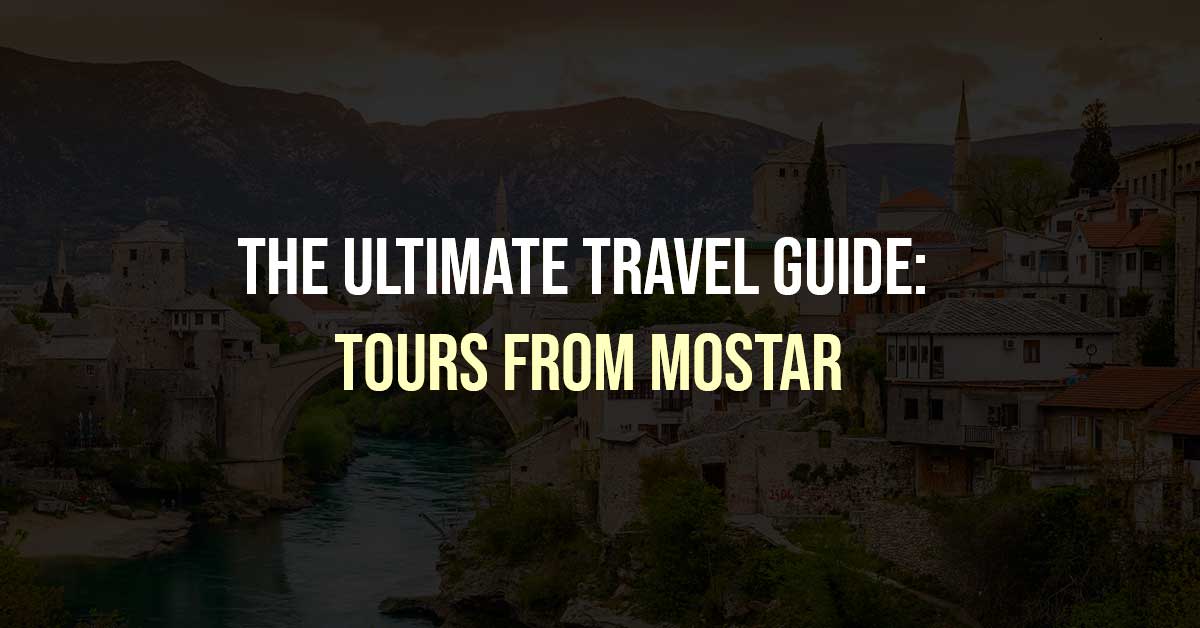
Mostar serves as the perfect launchpad for discovering Herzegovina’s extraordinary blend of natural beauty, Ottoman heritage, medieval fortifications, and poignant 20th-century history. Positioned strategically along the Neretva River corridor, the city lies just 12 kilometers north of mystical Blagaj, 40 kilometers from Kravica’s emerald waterfalls, 30 kilometers from the perfectly preserved Ottoman town of Počitelj, and within two hours’ drive of Sarajevo’s Ottoman bazaars and Dubrovnik’s Adriatic walls. This remarkable proximity enables visitors staying three to six days to combine exploration of Mostar’s iconic Stari Most bridge and Kujundžiluk bazaar with carefully crafted day trips that reveal the region’s diverse landscapes, cultures, and historical layers.
What makes Mostar uniquely suited as a touring base is its position at the cultural crossroads between Mediterranean coast and Bosnian mountains, Ottoman East and European West, ancient Illyrian settlements and modern reconciliation narratives. Tours from Mostar efficiently connect these threads – the Stari Most’s 16th-century Ottoman engineering marvel provides architectural context for Počitelj’s fortress and Blagaj’s Dervish monastery, while the city’s 1990s war scars create poignant backdrop for excursions to Sarajevo’s siege museums and Konjic’s Cold War bunker. This guide details each major tour type with comprehensive itineraries, site descriptions for first-time visitors, practical logistics, and cultural significance, enabling informed planning for unforgettable Herzegovina adventures.
Many travelers actually arrive here from the Bosnian capital, so if you are planning to combine Sarajevo with Herzegovina, make sure to read this in‑depth guide on how to get from Sarajevo to Mostar before booking your tours.
Table of Contents
Mostar Walking Tours – Essential City Context
Before venturing outward, Mostar’s walking tours provide crucial foundation for understanding the city’s multicultural identity as lens for regional exploration. These 1.5-3 hour tours depart from Spanish Square or Stari Most, covering 2-4 kilometers through UNESCO-protected Old Town.
Old Town & Stari Most Tours immerse visitors in Mostar’s Ottoman golden age. The centerpiece is Stari Most – the 429-year-old limestone masterpiece engineered without mortar, spanning 29 meters above Neretva’s rapids. Guides explain Suleiman the Magnificent’s commission, the bridge’s 1993 destruction during Croat-Bosniak conflict (shelling symbolized ethnic division), and 2004 reconstruction using divers harvesting stone from original quarries. Tours continue through Kujundžiluk bazaar lined with coppersmiths hammering ferhatija trays, Koski Mehmed Paša Mosque (1565, minaret climb reveals Neretva panorama), and Kriva Ćuprija (Crooked Bridge, Mostar’s smaller Ottoman gem). You’ll learn about bridge divers risking lives for tourist dollars, Mostar’s three faiths coexisting (Ottoman mosques, Catholic churches, Orthodox sites), and bazaar crafts sustaining families for generations.
Duration: 1.5-2.5 hours
Cost: Tip-based free tours (5-15 euros suggested) or paid small groups (15-25 euros/person)
Best Time: 10 AM (cooler) or 4 PM (sunset bridge glow)
War Heritage Tours confront Mostar’s 1992-1995 siege – Europe’s longest modern urban conflict. Local guides (often survivors) lead through Spanish Square (market shelling killed 19), Liska Park (frontline trenches), Carinski Bridge (destroyed connecting east/west Mostar), and bullet-pocked apartment blocks. Visits include war museums displaying shrapnel-embedded furniture, underground shelters where families survived snipers, and footage of Stari Most burning. Tours explain ethnic divisions (Croat west, Bosniak east), water shortages, winter survival, and reconciliation symbolized by Stari Most reconstruction. Emotionally intense but essential for contextualizing Herzegovina’s war narrative.
Duration: 2-3 hours
Cost: 25-40 euros/person
Best Time: Morning (emotional focus before heat)
The Classic Herzegovina Day Tour – Kravice, Blagaj, Počitelj
Mostar’s signature 8-10 hour excursion (45-70 euros/person) masterfully combines nature, spirituality, and medieval heritage across three UNESCO Tentative List sites plus waterfalls, covering 180 kilometers through limestone canyons and emerald rivers.
Kravica Waterfalls (9:30AM arrival, 2.5 hours): Europe’s most spectacular tufa cascade drops 25 meters into 120-meter-wide emerald amphitheater basin. Formed by mineral-rich Trebižat River, the falls create natural pools perfect for swimming (15-20°C even midsummer), cliff jumping from rope swings, and kayaking through turquoise channels (5-10 euros/hour). Spring reveals maximum flow thundering over terraces; summer emphasizes bathing paradise with sun-warmed rocks. Wooden walkways, changing rooms, and picnic platforms accommodate 2,000-3,000 daily summer visitors. Entrance 10-12 euros.
Blagaj (12PM, 1.5 hours): Herzegovina’s spiritual heart cradles 1520 Dervish Tekija against 200-meter limestone cliff at Buna River’s karst spring – one of Europe’s largest, gushing 4,000 liters/second after 19.5km underground journey. Sufi whirling dervishes once practiced ecstatic devotion here; today visitors enter whitewashed prayer hall (2-3 euros), view original furnishings, and optionally boat into spring cave (5-10 euros) where river emerges. The site’s mystical-geological drama – emerald torrent beneath soaring cliffs – creates profound atmosphere. Modest dress required. There is also Blagaj Fortress.
Počitelj (2:30PM, 1.5 hours): “Herzegovina’s mini-Mostar” preserves complete Ottoman-medieval hill town. Climb 13th-century fortress for panoramic Neretva views, explore Balkans’ oldest clock tower (1664), enter Hajji Alija Mosque (authentic Ottoman interior), trace hammam ruins. Cobblestone alleys, stone houses, minaret silhouette against karst backdrop create timeless atmosphere. Less crowded than Mostar, equally photogenic. Free entry; modest dress for mosque.
Lunch typically pauses in Konjic (~15 euros grilled trout/local taverns). Return Mostar 6-7PM.
Cost: 45-70 euros/person (8-16 person groups); excludes entrances/lunch (25-40 euros total extras)
Best Season: May-June/Sept-Oct (20-25°C, fewer crowds)
Neretva River Rafting – Europe’s Wildest Waters
Konjic Rafting (6-8 hours, 40-60 euros) launches from Neretva’s churning turquoise rapids – Europe’s last major free-flowing river. Konjic itself fascinates: 1682 Old Bridge (Ottoman stone arch), Tito’s ARK D-0 bunker (280m-deep Cold War command center with surreal abandoned luxury amid apocalypse preparations). 15-20km Grade II-III rapids slice sheer limestone canyons, passing vulture habitats and abandoned Yugoslav outposts. Professional guides provide helmets/wetsuits/lifejackets; lunch included. Moderate fitness; ages 8+ family-friendly. Spring high water thrills; summer calmer. Changes in Mostar’s war-damaged buildings visible from river.
Lukomir Village Hiking – Bosnia’s Highest Settlement
Lukomir Trek (full day, 60-90 euros) reaches 1,495m-high shepherd village via 3-4 hour Umoljani ascent through alpine meadows, Obalj spire, wildflowers. 50 stone houses (200+ years, cherry shingle roofs) cluster Rakitnica Canyon rim – Europe’s deepest. Meet families tending 4,000 summer sheep, taste homemade sir/kajmak, hear war isolation stories (1990s shelling, winter snowbound). Vehicle access alternative. Spring lupines; autumn golden grasses. Authentic highland life contrasting Mostar’s tourism. For even more ambitious hikers seeking challenging alpine terrain, Prenj Mountain looms to the north, with its famous Zelena Glava peak offering some of the most dramatic high-altitude hiking in the entire country.
Međugorje Pilgrimage – Global Spiritual Destination
Međugorje Tour (6-8 hours, 40-70 euros): 1981 Virgin Mary apparition site draws 2-3 million annual pilgrims. St. James Church hosts multilingual masses; Blue Cross Hill (apparition site) requires 30-minute climb through prayer stations; Risen Christ statue weeps; Community of Cenacolo tours drug rehab center. Prayerful atmosphere transcends faiths. Souvenir shops, confession sites. Respectful dress; open all visitors.
Blue Cross Hill marks the first apparition site, but many pilgrims also visit Apparition Hill to trace the sacred path where the visions began and experience the spiritual atmosphere that has drawn millions of faithful visitors from around the world.
Sarajevo Day Trip – Ottoman Capital and Siege City
Sarajevo Excursion (10-12 hours, 50-80 euros): 2-hour mountain drive reveals 500-year-old Baščaršija bazaar (mosques, ferhatija coppersmiths, Sebilj fountains), Latin Bridge (1914 Archduke assassination), Tunnel of Hope (1.8km underground siege lifeline), Olympic ski jumps (1984 Winter Games sites), war scars. Contrasts Mostar’s compact heritage with sprawling Ottoman legacy and 1,425-day siege survival.
Dubrovnik Day Trip – Adriatic Walled City
Dubrovnik Visit (10-12 hours, 60-100 euros): 1.5-hour border crossing reaches UNESCO walled city. Walk 2km city walls (panoramic Adriatic), Stradun limestone promenade, Rector’s Palace (Gothic-Renaissance), Franciscan Pharmacy (1391, Europe’s third oldest), cable car to Mt. Srđ. Game of Thrones filming locations marked. Croatian contrast to Mostar’s inland Ottoman vibe; border formalities streamlined.
Konjic Regional Adventures – Tito’s Bunker and More
Konjic Exploration (full day, 50-80 euros): Tito’s D-0 ARK bunker (declassified 2007) reveals Cold War paranoia – 12,500m² underground complex for 350 VIPs with fake wood paneling, bowling alley, cinema amid nuclear apocalypse preparations. 1682 Old Bridge, Lukomir municipality gateway, Boračko Lake picnics. Links rafting base to highland treks.
Practical Considerations for Tours from Mostar
Essential Packing: Comfortable closed walking shoes (fortress climbs, cobblestones), swimwear/quick-dry towel/change clothes (Kravica rafting), long pants/skirt + headscarf (Blagaj Tekija, Medjugorje), water bottle (refillable, spring water pure), sunscreen/hat (karst reflects heat), light fleece jacket (mountains 10°C cooler), 30-50 euros cash (entrances/lunch/activities), camera/extra battery, allergy meds/motion sickness pills (winding roads).
Transportation Details: Modern air-conditioned minivans (Mercedes Sprinter/Fiat Ducato, 8-20 seats). Private tours use SUVs/4x4s (Lukomir). Drivers skilled navigating karst single-tracks. Pickups 15 minutes before stated departure.
Seasonal Differences & Clothing Guide:
- Spring (April-May): 15-22°C, wildflowers carpet meadows, rivers high (rafting/Kravica optimal), occasional showers. Light jacket, layers.
- Summer (June-August): 25-35°C, crowded sites, swimming paradise, long days. Hat/sunscreen essential, evening cools 15°C.
- Autumn (Sept-Oct): 15-25°C golden light, harvest (wine tours), fewer crowds, clear skies. Perfect photography.
- Winter (Nov-Mar): 5-15°C, limited tours (rafting closed), atmospheric monasteries. Warm layers essential.
Fitness Requirements by Tour:
- City/War Tours: Easy (2-4km flat/cobblestones, minimal stairs)
- Herzegovina Day: Light (20-30min fortress climbs, short walks)
- Rafting: Moderate (paddling balance, rapids, age 8+ fitness)
- Lukomir Hiking: Strenuous (3-4hr 500m ascent, good fitness)
- All tours: Comfortable shoes mandatory
Dietary Accommodations: Lunch taverns accommodate vegetarian (grilled vegetables, cheese platters, burek pastry). Gluten-free possible with notice. Seafood/meat-heavy; specify allergies. Bottled water available; spring water potable.
Children & Family Considerations: Herzegovina day tours family-friendly (ages 6+ love Kravica swimming, Blagaj boats). War tours are intense (under 12s skip). Rafting age 8+ (life jackets provided). Bring snacks/toys for kids; monasteries require modest dress (headscarves provided).
Group Size Impact: Shared tours (8-16 people) sociable/economical. Private (2-8 people, 120-250 euros/vehicle) flexible – skip sites, custom lunch timing, personal stories. Ideal 4+ people.
Weather Contingencies: Rain rarely cancels (minivans have space). Kravica closed extreme weather. Guides adjust (more monastery time vs. waterfalls). Dress in layers.
Value Assessment: Tours worth investment for context/transport/logistics. Local guides explain Ottoman rivalries, war survival, cultural nuances impossible independently. Efficient compared to car rental/gas/parking/entrances.
If you are also thinking about adding the Montenegrin coast to your plans and cannot decide where to spend more time, our comparison guide Mostar or Kotor will help you understand how this inland gem compares to one of the Adriatic’s most famous bays.
FAQ – Tours from Mostar
What single tour gives the best first impression of Herzegovina from Mostar?
Herzegovina Triangle (Kravica/Blagaj/Počitelj, 45-70 euros, 8-10 hours). Perfect balance: Kravica’s natural drama (swimming paradise), Blagaj’s spiritual-geological wonder (Dervish mysticism + karst spring), Počitelj’s medieval authenticity (Ottoman fortress/mini-Mostar). Efficient UNESCO Tentative List coverage contextualizing Stari Most heritage. Ideal 3-4 day Mostar stay starter.
Are Mostar tours appropriate for families? Recommended ages and precautions?
Excellent for families. Herzegovina day tours universally loved (ages 6+): children swim Kravica cascades, boat Blagaj caves, climb Počitelj towers. War tours emotionally intense (recommend ages 12+ or skip). Rafting age 8+ (provided life jackets, stable rafts). Bring swimwear/snacks/toys; monasteries require modest dress (headscarves provided). Families often choose private tours for flexibility.
What exactly do tours include versus exclude? Realistic extra spending budget?
Included: Roundtrip air-conditioned transport, professional English guide, planned timing/itinerary. Excluded: Site entrances (Kravica 10-12€, Blagaj 2-3€, Počitelj free = 12-15€ total), lunch/drinks (Konjic taverns 10-20€ trout/platters), optional activities (kayak 5-10€, Blagaj boat 5€). Total extras per person: 25-45€. Confirm verbally before booking.
How do spring, summer, autumn tours from Mostar differ? Best season recommendation?
Spring (April-May): 15-22°C wildflower meadows, maximum river flow (rafting/Kravica spectacular), fewer crowds. Ideal photography. Summer (June-Aug): 25-35°C swimming paradise, peak tourism (book ahead), long days. Autumn (Sept-Oct): 15-25°C golden light, harvest season (wine tours optimal), perfect balance. Winter: Limited (rafting closed). Recommendation: Late spring/early autumn.
Complete packing list and preparation for Mostar day tours?
Essentials: Sturdy walking shoes (fortress stairs/cobblestones), swimwear + quick-dry towel + plastic bag (Kravica/rafting), long pants/skirt + headscarf (Blagaj/Medjugorje), reusable water bottle (spring water pure), sunscreen/hat/sunglasses (karst reflects heat), light fleece (mountains 8-10°C cooler), 40-60€ cash (entrances/lunch/activities), camera/extra battery, allergy meds/motion sickness tablets (winding roads), light rain jacket (spring/autumn showers). Pack morning of departure.
How physically demanding are different Mostar tours? Any fitness prerequisites?
City/War Tours: Easy (2-4km flat/cobblestones, minimal stairs, elderly-friendly)
Herzegovina Day: Light-moderate (20-30min fortress climbs, short walks, basic fitness)
Rafting: Moderate (paddling balance, Grade II-III rapids, age 8+ fitness, no experience needed)
Lukomir Hiking: Strenuous (3-4hr 500m elevation gain, good fitness/ sturdy shoes required)
Comfortable closed shoes ALL tours. Bring water bottle.
Our Most Popular Tours To Sarajevo
We offer many tours that include a visit to Sarajevo and its most popular locations:
- Full Day tour from Sarajevo to Belgrade (Most Popular)
- Full Day tour from Sarajevo to Međugorije & Mostar
- Full Day Tour from Sarajevo to Travnik and Jajce
- Full-Day 5 Cities Tour from Sarajevo to Herzegovina (Mostar)
- Full day Tour from Sarajevo to Dubrovnik (Kotor or Split)
Don’t Hesitate To Say Hi!
Got any questions about our tours or the city? Don’t hesitate to contact us anytime for more info and booking.
Use the following phone number and email: