
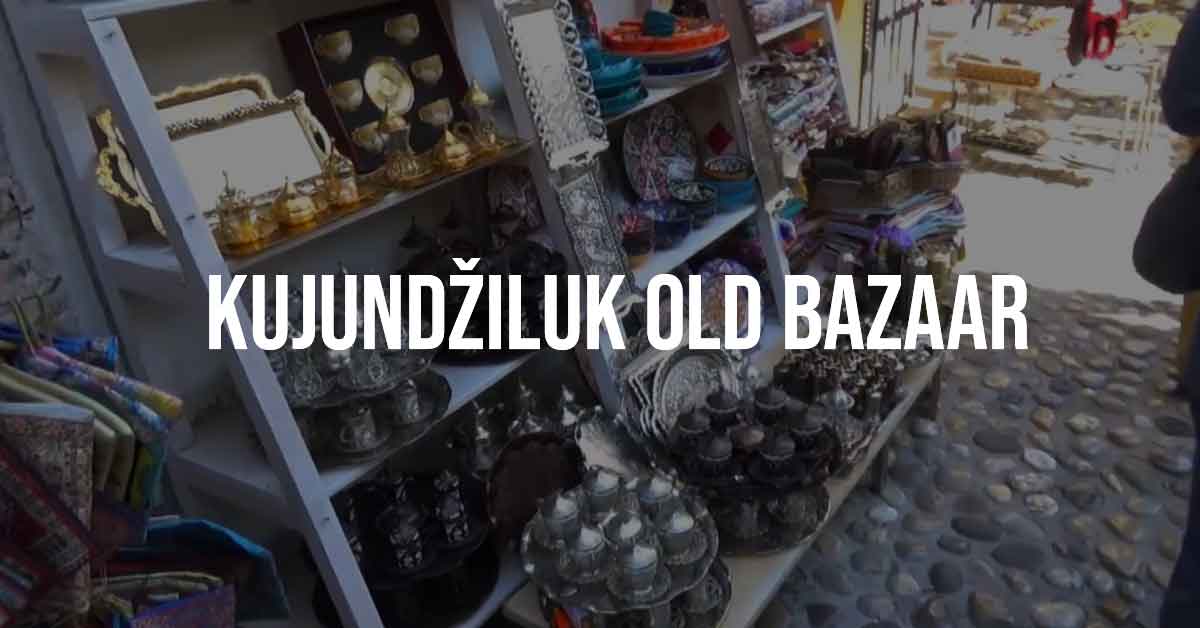
Kujundžiluk Old Bazaar allows you to step backward through time as you cross Stari Most and enter a labyrinth of narrow cobblestone streets where the air itself seems saturated with centuries. The aroma of fresh coffee mixed with spices drifts from café doorways; the rhythmic tap-tap-tap of metal being hammered echoes from coppersmith workshops; the babble of shopkeepers negotiating with tourists mingles with locals haggling over prices. Welcome to Kujundžiluk, Mostar’s legendary Old Bazaar, a marketplace that has functioned continuously for over 500 years, surviving empires, wars, and modernization to remain one of the Balkans’ most authentic and vibrant commercial streets.
The name “Kujundžiluk” derives from the Ottoman Turkish word “kuyumcu” meaning coppersmith or jeweler – a reference to the artisans who have worked these streets since the 16th century. During the Ottoman Empire’s golden age, Kujundžiluk housed over 500 shops selling everything from precious metals to textiles, leather goods, spices, and weapons. Merchants from across the Ottoman world converged here, turning Mostar into a crucial trading hub connecting Mediterranean coast with Bosnia’s interior and Central Europe beyond. The bazaar wasn’t merely a shopping destination but a symbol of Ottoman power, prosperity, and cosmopolitan sophistication.
What renders Kujundžiluk exceptional isn’t just its historical pedigree but its refusal to become theme-park replica of itself. Yes, shops now cater primarily to tourists seeking souvenirs. Yes, prices inflate with summer seasons. Yet beneath these accommodations to tourism, authentic craftspeople still hammer copper, elderly shopkeepers retain memories of pre-war Mostar, and the bazaar maintains genuine commercial function beyond entertainment spectacle. You encounter real Bosnian life threading through tourism – locals buying daily necessities, craftspeople demonstrating techniques passed through families, café culture where time moves deliberately rather than hurried.
Table of Contents
Physical Geography of Kujundžiluk Old Bazaar: Narrow Streets
Kujundžiluk extends approximately 900 meters as a meandering pedestrian street winding uphill from Stari Most through Old Town, though the bazaar actually occupies space on both sides of the Neretva River, with shops and restaurants scattered across multiple interconnecting lanes. The most famous section – the primary bazaar street – runs from the bridge’s east side into a network of increasingly narrow passages where centuries of traffic have polished cobblestones slick with water and time. Buildings rise four stories directly above the pavement, their upper windows opening directly onto street space, creating canyon-like effect where maximum sunlight barely penetrates the narrow corridor above.
The architecture reflects Ottoman reconstruction from 16th-17th centuries: stone buildings with characteristic arched doorways, small windows for defense against summer heat and potential siege, roofs of overlapping Bosnian stone tiles creating water-resistant slope. Most structures were damaged in 1990s war and reconstructed based on historical documentation, meaning contemporary buildings authentically recreate original designs while incorporating modern plumbing, electrical, and structural systems invisible to casual observation. This approach differs from Dubrovnik’s more commercialized reconstruction – Kujundžiluk’s shops rent modest space within functioning buildings rather than occupying restored facades masking modern interiors.
The bazaar divides naturally into functional sections: the coppersmith quarter where rhythmic hammering emanates from workshops; the textile zone displaying carpets and traditional fabrics; the café and restaurant district where tables spill onto pedestrian space; the souvenir section offering everything from authentic crafts to mass-produced tourist trinkets. This organic organization evolved over centuries through merchant specialization – metalworkers clustered to access shared resources and skilled labor pools; textile dealers concentrated to facilitate wholesale transactions; food vendors positioned near customer foot traffic. Contemporary shopkeepers largely maintain these traditional groupings, preserving some functional integrity despite tourism transformation.
Coppersmiths: The Soul of the Kujundžiluk Old Bazaar
The most authentic element persisting in Kujundžiluk remains the coppersmiths – master craftspeople continuing traditions spanning centuries. Walk through the bazaar and you’ll hear before you see: the distinctive tap-tap-tap of hammer on anvil, rhythmic percussion that forms the bazaar’s unofficial soundtrack. Step into a coppersmith workshop and you encounter not performing spectacle but genuine metalwork – artisans bending, shaping, embossing copper sheet using hand techniques refined since medieval times.
The process begins with decisions about metal gauge – thicker for functional vessels like coffee pots, thinner for decorative items. The coppersmith secures the sheet to an anvil and begins hammering with hammer faces graduated in thickness, striking at calculated angles to shape the metal precisely. The technique demands extraordinary spatial reasoning and muscle memory – understanding how metal responds to specific strike angles, accumulating deformation across hundreds of individual hammer strikes to create desired form. An experienced coppersmith can shape a complex piece like a džezva (Turkish coffee pot) in under an hour of concentrated work; apprentices require weeks to master the same result.
Decorative elements involve embossing – striking from the back to create raised patterns on the front surface – or chasing – detailed work with specialized tools creating fine lines and textures. Traditional patterns draw from Ottoman design vocabulary: geometric stars reflecting Islamic mathematical principles, floral motifs suggesting garden paradise, rosettes embodying eternal life cycles, calligraphic inscriptions from Quranic verses. Contemporary coppersmiths blend these traditional patterns with modern designs – some creating tourist-friendly pieces, others maintaining pure traditional focus for collectors and specialists.
The products range from functional to purely decorative: džezva (small long-handled copper pots for brewing Turkish coffee), serving trays of various sizes, wall hangings, decorative plates, candlestands, and increasingly, jewelry and small gift items. Prices vary dramatically based on size, complexity, and whether pieces are handmade or commercial products with hand-finishing. An authentic handmade džezva costs 30-80 euros depending on decoration intricacy; tourist-oriented pieces sell for 10-20 euros; decorative wall plates range 15-60 euros. The best approach involves asking about production methods and examining wear patterns – genuine hand-hammer work displays irregular surfaces and individual character; industrial pieces show uniformity.
Many visitors now participate in coppersmith workshops (offered through tourism operators), spending 60-90 minutes learning basic techniques and creating small pieces like bracelets or coasters under master guidance. These workshops cost approximately 20-30 euros and provide hands-on understanding of traditional craft difficulty – you quickly appreciate why master coppersmiths command respect.
Shopping at Kujundžiluk Old Bazaar: What to Buy and Avoid
Beyond copper, Kujundžiluk offers diverse merchandise reflecting regional specialties and tourist demand. Authentic items include hand-knotted carpets from Bosnia and surrounding countries – genuine wool pieces displaying traditional Balkan patterns cost 100-500+ euros depending on size and complexity, purchased primarily at dedicated carpet shops where proprietors provide detailed explanations of weaving techniques and regional sources. Smaller decorative items like cushion covers and textile samples run 10-50 euros and genuinely reflect local craft traditions.
Traditional metalwork beyond copper includes decorative ironwork, tin items, and brass pieces. Wooden crafts – boxes, spoons, serving utensils – display Bosnian design vocabulary and cost 5-30 euros depending on complexity. Ceramic pieces show Ottoman influence with characteristic blue and turquoise colorations. Leather goods range from tourist-oriented to quality items; examining construction reveals whether pieces are genuine leather or vinyl imitation.
Authentic traditional items include rakija (Bosnian fruit brandy) sold in small bottles suitable for luggage (10-20 euros), local coffee blends specifically roasted for traditional preparation, honey from highland regions, and packaged baklava or other pastries. These consumables offer genuine regional flavor at modest cost, making excellent gifts for non-travelers.
Avoid the overwhelming volume of mass-produced tourist kitsch: plastic mosques and bridge miniatures, metal lanterns made in India, synthetic “Turkish carpets” manufactured in factories, “handmade” items obviously mass-produced. The bazaar accommodates all market levels – it’s your responsibility to differentiate authentic from imitation. Ask about production origins; examine craftsmanship details; negotiate confidently but respectfully. Most shopkeepers welcome informed questions and appreciate customers respecting their work.
Cafés and Cuisine in Kujundžiluk Old Bazaar
Kujundžiluk’s cafés and restaurants represent the bazaar’s most touristic element yet still offer genuine gastronomic experiences reflecting Bosnian traditions. The primary street branches into numerous small restaurants with tables spilling onto pedestrian space, riverfront cafés providing Neretva views, and specialized establishments focusing on specific dishes. Prices are moderate (7-15 euros for full meals), though riverside location and tourist concentration create premium pricing compared to local neighborhoods.
Traditional lunch items include ćevapi (grilled meat rolls served with flatbread, onion, and ajvar – roasted red pepper paste), burek (pastry parcels with cheese, spinach, or potato filling), pljeskavica (Balkan burger variation), and fresh grilled trout when available. Desserts emphasize honey-soaked pastries like baklava and kalaburabasti (fried dough with syrup). Coffee culture remains central – order “Bosnian coffee” and you’ll receive finely ground coffee (similar to Turkish style) brewed in individual metal pots, arriving with foam head, served in small cups with accompanying water glass and optional sugar.
Better established restaurants like Hindin Han and Šadrvan offer reliable quality and attentive service. Riverside establishments provide atmosphere and views; smaller establishments offer authenticity. The bazaar’s culinary reputation remains solid – many travelers specifically return for meals encountered in Old Town. The key is selecting restaurants with visible kitchen activity and local clientele indicators – busy lunch hours suggest good food and fair pricing.
Practical Visiting Information for Kujundžiluk Old Bazaar
Hours and Seasons: Most shops open 8-9 AM and close 8-9 PM daily, though hours fluctuate seasonally and individual proprietors sometimes take afternoon breaks. Summer season (June-August) brings peak crowds, fully staffed shops, extended evening hours. Winter (November-February) sees reduced activity, some closures, earlier evening closing. Spring and autumn offer optimal balance: moderate crowds, pleasant weather, functioning shops. Ramadan (dates vary annually) sees altered hours, some closures, changed café operations (fasting Muslims close some establishments during daylight hours).
Navigating the Bazaar: The main street is straightforward to follow – it’s the obvious walking path from Stari Most proceeding eastward. However, Kujundžiluk’s charm derives partly from exploring side passages, dead-ends, and vertical connections where neighborhood character persists. Getting deliberately “lost” for 30-60 minutes typically leads to discovering hidden workshops, family-run establishments, and authentic street life tourists miss following guidebook directions. Your phone’s GPS permits confident wandering – you can always retrace steps to main street.
Photography Etiquette: Photograph shop exteriors and street scenes liberally – shopkeepers generally welcome image documentation. However, ask permission before photographing people or interior workshop spaces. Many coppersmiths appreciate interest in their craft and will pause work to explain techniques. Some establishments charge nominal photography fees (2-5 euros); respect these requests graciously.
What to Bring: Comfortable walking shoes essential for extended cobblestone exploration (cobbles remain slick when wet, misaligned from centuries of foot traffic). Bring cash (euros) in denominations suitable for small purchases – many establishments lack card readers and change-making challenges occur with large bills. Expect minimal shade – bring hat and sun protection, particularly summer midday. A small bag or backpack accommodates purchases without straining shoulders during extended walks.
Bargaining Culture: Negotiation is traditional in Kujundžiluk, particularly for larger purchases or multiple items. Expect initial prices 20-40% above minimum acceptable, leaving negotiation room. However, don’t attempt aggressive haggling – respectful, good-natured negotiation reflects cultural appreciation; argumentative haggling risks offense. Small items rarely negotiate; larger items (carpets, significant copper pieces) warrant price discussion. The goal is mutual satisfaction, not adversarial “winning.”
The Kujundžiluk Old Bazaar as Living Testimony to War Survival
The contemporary Kujundžiluk represents phoenix risen from destruction. The 1992-1995 war severely damaged the bazaar – shells damaged buildings, looting devastated shops, communities fled or were displaced. The reconstruction effort beginning in 1995-1996 focused on authenticity: surveying surviving structures, documenting pre-war appearance through photographs and memory, rebuilding using traditional materials and techniques. The result visibly reflects this intentional authenticity – you encounter genuine Ottoman architecture carefully rebuilt rather than modern pastiche.
Many contemporary shopkeepers are descendants of families operating bazaar businesses for generations, returning after displacement to resume traditions interrupted by war. These proprietors carry particular pride in maintaining authenticity – they remember the bazaar’s function before tourism transformation, witnessed its destruction, participated in its resurrection. Respecting this history – purchasing thoughtfully, engaging seriously rather than merely photographing – honors their determination to rebuild commercial and cultural continuity.
FAQ – Kujundžiluk Old Bazaar Questions
Is shopping at Kujundžiluk worth the time, or is it just tourist traps?
A mix of both – touristy elements persist, but genuine craftspeople, quality products, and authentic experiences exist if you explore beyond main street and shop carefully. The bazaar remains functional market, not museum exhibit.
What’s the best time to visit Kujundžiluk to avoid crowds?
Visit early mornings (8-10 AM) or late afternoons (5-7 PM). Winter season (November-February) is quieter but fewer shops operate. Spring and autumn offer ideal balance.
Should I buy souvenirs at Kujundžiluk or elsewhere in Mostar?
Kujundžiluk offers best selection and prices for authentic items, though negotiation skills matter. Overpriced tourist junk exists here too – discernment is essential regardless of location.
What souvenirs are genuinely Bosnian versus mass-produced knockoffs?
Genuine: handmade copper items (check hammer marks), traditional carpets (wool, regional patterns), local rakija and coffee. Avoid: plastic mini-mosques, mass-produced lanterns, synthetic “Turkish” carpets.
Is negotiating prices expected, or does it seem rude?
Traditional and expected for larger purchases (carpets, significant copper work). Small items rarely negotiate. Approach negotiation respectfully – shopkeepers appreciate cultural awareness over aggressive haggling.
Is it safe to walk alone through the bazaar, and what precautions matter?
The bazaar is generally very safe – heavily touristed, local presence, daytime security informal but solid. Standard urban precautions apply: avoid obvious displays of wealth, keep valuables secure.
Our Most Popular Tours To Sarajevo
We offer many tours that include a visit to Sarajevo and its most popular locations:
- Full Day tour from Sarajevo to Belgrade (Most Popular)
- Full Day tour from Sarajevo to Međugorije & Mostar
- Full Day Tour from Sarajevo to Travnik and Jajce
- Full-Day 5 Cities Tour from Sarajevo to Herzegovina (Mostar)
- Full day Tour from Sarajevo to Dubrovnik (Kotor or Split)
Don’t Hesitate To Say Hi!
Got any questions about our tours or the city? Don’t hesitate to contact us anytime for more info and booking.
Use the following phone number and email: