
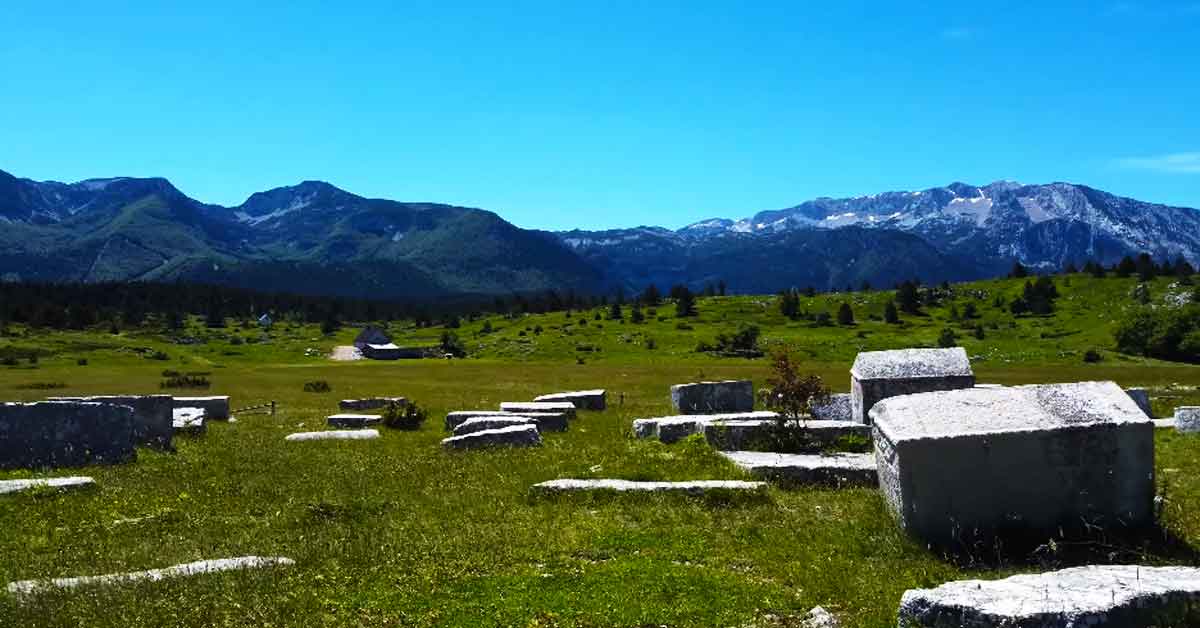
Imagine cruising through Herzegovina’s sun-drenched valleys, past ancient stone villages and olive groves heavy with fruit, when suddenly the road pitches upward. The air cools. Pine resin scents replace wild thyme. The landscape opens into a vast alpine plateau that could belong to the Tyrol or Slovenia, yet here you are in Bosnia’s Dinaric heartland. Welcome to Blidinje Nature Park, cradled at 1,200 meters between the brooding massifs of Čvrsnica (2,228m), Vran (2,110m), and Čabulja, where Herzegovina’s Mediterranean warmth collides with raw alpine wilderness just 90 minutes from Mostar. This isn’t accidental geography; Blidinje’s plateau formed through millions of years of tectonic grinding and glacial sculpting, creating a highland basin that captures moisture from Atlantic weather systems while shielding it from continental extremes.
I’ve chased dawn mist across Blidinje Lake as eagles rode thermals overhead, shared rakija with shepherds in century-old stone huts, and watched blizzards blanket the plateau in hours. Blidinje Nature Park doesn’t just impress with scenery; it rewires your sense of place. Summer’s wildflower meadows give way to winter’s ski slopes, spring waterfalls to autumn’s golden larches. Each season strips away pretense, revealing why locals call it “Herzegovina’s Switzerland” – not for Swiss perfection, but for authentic mountain life where nature demands respect and rewards patience. Here, 16th-century stećci tombstones mark high pastures beside modern ski lifts, shepherd dogs eye curious hikers, and silence feels like a living presence. Blidinje is where you remember why mountains matter.
The park spans 41 square kilometers of karst plateau, its limestone base riddled with sinkholes, underground rivers, and poljes (flat karst fields) that define Bosnian highlands. Glacial action during the last Ice Age deepened Blidinjsko Jezero, while millennia of shepherding created the web of trails that make exploration effortless. Roman legions once marched these routes toward Dalmatian ports; Ottoman tax collectors tallied wool yields from high pastures; Partisan fighters used the plateau as WWII base against Axis forces. Today’s visitors walk paths carrying 2,000 years of human struggle against unforgiving stone and weather, where every ridge tells stories if you know how to listen.
Table of Contents
Blidinje Nature Park’s Lake: Mirror of the Mountains
Blidinjsko Jezero anchors Blidinje Nature Park like a sapphire dropped amid emerald meadows, its shallow glacial basin reflecting Vran’s crags one moment, dissolving into mist the next. Unlike deep tarns demanding technical access, Blidinje Lake welcomes all – families picnicking on pebbled shores, photographers stalking perfect reflections, contemplative souls tracing water’s edge as hares dart through reeds. The lake’s magic lies in impermanence: snowmelt swells it springtime, summer sun shrinks it to mudflats and wetlands, autumn rains restore glassy perfection. This cycle mirrors mountain life – unpredictable, beautiful, demanding adaptation.
Walk the unmarked shore path clockwise from the main parking area and discover micro-worlds: reedbeds hiding shy water rails, alder thickets sheltering otters, karst springs bubbling cold and clear enough to drink. Gray herons stalk fish with Jurassic patience; marsh harriers quarter wetlands for voles; in spring, alpine swifts scream overhead pursuing insect clouds. The lake’s shallowness (rarely exceeding 5 meters) sustains rich aquatic life, though swimming stays brief – water hovers 8-12°C year-round, shocking but invigorating on 30°C summer days. Locals jump from lakeside rocks into deeper pools; visitors content themselves with toe-dipping and laughter.
Winter transforms the lake into frozen mirror, snowshoe tracks crisscrossing ice as plateau blurs white-on-white. Fog rises at dawn, peaks pierce clouds like islands, creating surreal dreamscape where orientation fails until sun burns through. Photographers live for these moments – golden alpenglow igniting snowfields, single pines etched black against pastel skies, lake edges gilded as day breaks. Families build snow forts on frozen shallows; cross-country skiers glide past, wax hissing softly. Blidinje Lake isn’t destination; it’s stage where light, water, mountain perform endless drama for patient observers.
Surrounding wetlands reveal ecological richness: calcareous fens support rare orchids and sedges, alder carrs shelter breeding warblers, open water hosts wintering teal. The plateau’s isolation preserves biodiversity – peregrine falcons nest on cliffs, chamois browse high scree slopes, wolves howl on moonless nights (though sightings thrill more than threaten). Blidinje Nature Park’s lake ecosystem thrives because development stays minimal: no resorts mar shorelines, no jet skis shatter silence, no boardwalks intrude on natural rhythms. What you experience is genuine highland wetland, fragile and precious.
Hiking Deep into Blidinje Nature Park’s Karst Wilderness
Blidinje Nature Park reveals soul to walkers willing to trade pavement for shepherd tracks winding through limestone labyrinths. These aren’t theme-park trails with interpretive signs every 50 meters; they’re authentic mountain paths trodden by Partisans evading Ustaše patrols, Ottoman sipahis collecting taxes, Illyrian tribes hunting chamois. Start gentle along lake-edge tracks meandering through pine stands so dense sunlight patterns dance like stained glass on forest floor. Pine resin scents air thickly; underfoot needles cushion steps silently; sudden sinkholes appear like trapdoors to underworld, reminding karst’s deceptive stability.
Progress to half-day ridge climbs gaining 400 meters onto Vran’s lower flanks, where plateau reveals scale – Blidinje Lake shrinks to turquoise postage stamp amid endless green, Čvrsnica’s snowstreaks glint 10 kilometers distant, Neretva Valley’s haze marks Herzegovina’s Mediterranean edge. Lunch atop involves flatbread with soft sir (sheep cheese), wild blueberries if summer, water from ice-cold springs tasting minerals directly from mountain heart. Descent passes stani – stone shepherd huts with turf roofs, interiors blackened by centuries of hearth smoke, doorways low enough to force humility entering.
Serious hikers target Čabulja (1,768m) or Vran summits via unmarked routes demanding fitness, navigation, early starts. These ascents traverse alpine scrub where edelweiss clings tenaciously, cross scree fields where loose stones demand careful footwork, culminate on windy ridges where BiH unfolds 360 degrees. Cairns mark way intermittently; compasses essential in fog; shepherd wisdom (“follow goat trails”) proves invaluable. Descent reveals new perspectives – valleys invisible ascending now dominate horizons, lake’s shape clarifies amid plateau’s vastness.
Every path carries human traces: stećci clusters mark forgotten graveyards where medieval herders rest beneath carved knights and rosettes; Orthodox chapels cling to rocky knolls, bells silent but crosses enduring; WWII concrete bunkers crumble into meadows, iron fittings rusting red. Partisan Hospital Hajdučke Vrleti – complex cave system sheltering wounded fighters – lies nearby, accessible only to historians honoring sacrifices enabling today’s peace. Blidinje Nature Park’s trails aren’t recreation; they’re palimpsests where nature rewrites human stories endlessly.
Weather demands respect: sunny valleys below belie sudden plateau storms where visibility drops to 20 meters, temperatures plummet 15°C hourly. Locals read cloud formations like newspapers; visitors learn quickly or suffer wet, cold lessons. Proper gear – waterproof jacket, fleece layers, gaiters for snow/mud, trekking poles for stability – transforms challenge into pleasure. Navigation apps falter in deep valleys; paper maps and compasses remain sovereign. Blidinje rewards preparation with solitude found nowhere else in Europe.
Blidinje Nature Park’s Winter Transformation – Skiing Local Style
Snowfall transforms Blidinje Nature Park into intimate winter domain where Risovac Ski Center anchors festivities without overwhelming plateau’s soul. December through March brings reliable powder blanketing slopes, cross-country trails, frozen lake expanses. Risovac offers modest infrastructure – three lifts serving 5km combined piste favoring beginners/intermediates, terrain park honing tricks, dedicated sledding run thrilling families. Night skiing illuminates key runs, creating neon ribbons threading black forests under starfields.
Main red piste challenges with consistent gradient through pines; blues nurture novices gliding corduroy; kids’ area with magic carpet builds confidence. Snowboarders practice kickers, rails; telemarkers arc untouched bowls. Rentals cover complete outfits (skis/boots/poles/helmet ~20-30 euros daily); lessons from local instructors emphasize fun over technique. Lift passes rarely exceed 25 euros full day – value unimaginable in Western Alps.
Beyond groomers, plateau beckons snowshoers tracing shepherd routes now white tunnels, cross-country skiers gliding lake circuits where wax whispers against snow, backcountry explorers skinning untouched ridges (experience required). Frozen lake hosts hockey games, ice‑skating circles, snow fort villages. Families tube illuminated hills; couples snowshoe hand‑in‑hand to viewpoints where plateau vanishes into white infinity.
Après‑ski gathers around lodge fireplaces where woodsmoke scents rakija shots, lamb peka emerges from underground ovens, burek steams golden. Locals share legendary blizzard tales, legendary powder stashes, mutual respect earned sharing mountains. Blidinje Nature Park winters strip skiing to essence – snow, speed, community – minus resort flash.
Authentic Stays in Blidinje Nature Park’s Mountain Huts
Blidinje Nature Park lodging embodies highland ethos: planinarski domovi (mountaineers’ huts) with worn wooden stairs, family guesthouses smelling bread baking, private cabins nestled meadow edges. Expect hearty welcomes, simple comforts, profound nights where silence amplifies heartbeat. Planinarski domovi offer bunks/private rooms (20-40 euros half‑board), serving stews simmering hours, fresh sir cheese, wood‑oven pies. Cabins sleep 4-10 (60-120 euros nightly), kitted kitchens enabling self‑sufficiency after long days.
Overnight immersion reveals plateau’s circadian rhythm: dawn frost sparkles meadows, peaks glow rose‑alpenglow; midday solitude reigns trails empty day‑trippers; dusk paints lake violet as stars materialize instantly. Winter nights stargaze from hut porches; summer campfires summon shepherds swapping tales. Accommodations connect rather than isolate, weaving you into mountain fabric where weather dictates schedule, community provides warmth.
Cuisine of Blidinje Nature Park – Highland Hearth Food
Blidinje Nature Park feeds body and soul with highland sustenance: lamb sač‑roasted underground till spoon‑tender, trout grilled lakeside mere hours from rod, burek layers crisp outside molten within. Sheep cheeses cut sharp, yogurt thickens like cream, wild mushrooms sautéed garlic butter. Portions sate altitude‑sharpened appetites; prices delight (12-22 euros complete meals). Rakija warms winter bones; valley wines refresh summer thirsts. Dining communes – tables shared trail stories, weather debates, mountain kinship transcending language.
Reaching Blidinje Nature Park – Mountain Road Realities
Mountain roads from Mostar (Jablanica route) or Posušje demand vehicle confidence: narrow, winding, occasionally potholed, winter ice‑rinks. Snow tires/chains essential November‑March; summer thunderstorms washouts possible. No buses penetrate plateau core – rental cars (40-70 euros daily) or tours practical. Parking simple near lodges/lake; walking distances short once arrived.
Essentials: Layers combat 20°C swings, sturdy shoes grip karst, sunblock battles altitude UV, cash covers rural transactions, maps/compasses trump apps in fog.
Budget: Day 40-80 euros (fuel/food); overnight 80-150 euros (lodging/meals/activities).
FAQ – Blidinje Nature Park Essentials
Should I visit Blidinje Nature Park as day trip from Mostar or stay overnight for full experience?
Day trips capture lake scenery and short walks, but overnight unlocks dawn plateau magic, relaxed hiking pace, and winter stargazing impossible rushing roundtrip.
What fitness level works best for enjoying Blidinje Nature Park’s hiking trails and activities?
Easy lakeside paths welcome all fitness; half‑day ridge walks suit moderate condition; summit ascents demand experience navigating unmarked karst routes in variable weather.
Is Blidinje Nature Park genuinely family‑friendly for kids, including winter skiing and summer hiking?
Exceptionally so. Open meadows thrill running kids, gentle slopes build ski confidence, snow play captivates, family lodges accommodate warmly with kid portions and space.
Do I absolutely need personal vehicle to properly experience Blidinje Nature Park’s remote trails and viewpoints?
Public transport doesn’t reach plateau interior, making car rental or organized tours essential for trailhead access and flexible exploration beyond main road attractions.
How does Blidinje Nature Park’s cost compare to famous European alpine destinations for similar quality experience?
Typically half the price – lodging 20-50 euros vs 100+, meals 12-20 euros vs 30+, skiing under 30 euros daily vs 60+. Same mountain authenticity, dramatically better value.
Our Most Popular Tours To Sarajevo
We offer many tours that include a visit to Sarajevo and its most popular locations:
- Full Day tour from Sarajevo to Belgrade (Most Popular)
- Full Day tour from Sarajevo to Međugorije & Mostar
- Full Day Tour from Sarajevo to Travnik and Jajce
- Full-Day 5 Cities Tour from Sarajevo to Herzegovina (Mostar)
- Full day Tour from Sarajevo to Dubrovnik (Kotor or Split)
Don’t Hesitate To Say Hi!
Got any questions about our tours or the city? Don’t hesitate to contact us anytime for more info and booking.
Use the following phone number and email: