
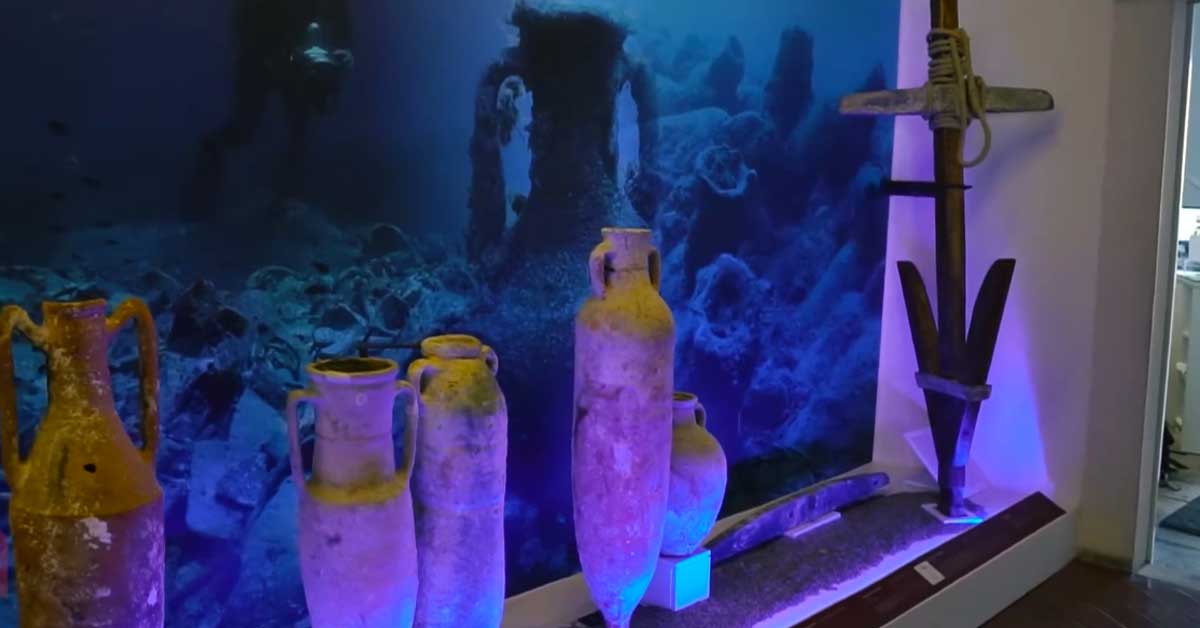
If Dubrovnik’s Old Town feels like a stage set for a medieval drama, the Maritime Museum feels like the prop room where the entire story comes together. Located inside the imposing Fort St. John guarding the entrance to the Old Port, this museum tells the story of how a small city‑state became one of the Mediterranean’s most powerful maritime republics. This is where you understand that Dubrovnik’s walls, palaces and churches were built on salt, spices, silk and the courage of its captains who sailed these waters for centuries.
The Maritime Museum is not just another collection of old ships in bottles. It is a systematic chronicle of Adriatic trade, navigation technology, shipbuilding and naval warfare from antiquity through the steam age. Housed in a fortress that was itself built to protect the port Dubrovnik depended on, the museum makes the city’s seafaring past feel immediate and tangible.
This guide walks you through the museum’s history, its most compelling exhibits, what you will learn about Ragusa’s golden age and why this museum belongs on every Dubrovnik itinerary.
Table of Contents
History of the Maritime Museum Dubrovnik: From Patriotic Museum to Fort St. John
In 1872, Dubrovnik founded the Patriotic Museum (Museo Patrio), collecting artifacts that citizens wanted to preserve. Maritime materials naturally became central, since Dubrovnik’s entire history depended on the sea.
In 1949, the Yugoslav Academy of Sciences and Arts formally established the Maritime Museum as a separate institution. Collections came from the earlier Patriotic Museum and from a 1941 exhibition titled “Dubrovnik Seafaring through the Ages.”
Since 1952, the museum has occupied the first and second floors of Fort St. John (Fort Sveti Ivan), the fortress protecting the Old Port entrance. This location is not accidental. The fort was built starting in 1346 specifically to defend Dubrovnik’s harbor from attack. Housing the Maritime Museum here creates a profound connection: exhibits about Dubrovnik’s ships are displayed inside the very fortress that made their trade possible and safe.
The museum’s permanent displays are organized chronologically and thematically, covering maritime activities from the Republic of Ragusa through steamship development, World War II and modern navigation. The collection includes over 5,000 artifacts.
Fort St. John: Home of the Maritime Museum Dubrovnik
Fort St. John began in 1346 as the “Dock Fort” protecting the loading docks where merchant ships transferred cargo. By 1552, architect Paskoje Miličević redesigned and expanded the fortress to handle cannon warfare technology. The completed structure in 1557 merged the original fort with neighboring bastions into a more sophisticated defensive fortification.
In the 19th century, windows replaced some gunports as the fortress lost military relevance. When the Maritime Museum arrived in 1952, the fort’s character as a guardian of maritime commerce was repurposed toward cultural preservation. The fortress’s vaulted chambers, thick stone walls and elevated harbor position create dramatic exhibition spaces. Natural light streams through historic windows, illuminating ship models in authentic conditions. The location directly connects exhibits to their meaning: this is where Dubrovnik’s ships entered and exited, the structure making their trade possible.
Core Exhibits at the Maritime Museum Dubrovnik: Ragusa’s Golden Age
The Republic of Ragusa (1358–1808) dominates the museum. This small city‑state operated what scholars consider to be the fourth‑largest merchant fleet in the Mediterranean at its peak.
Ship Models show how Dubrovnik galleys and merchantmen evolved across centuries: galleys for war and coastal trade, round merchantmen designed to carry maximum cargo, smaller galliots for short distances, and eventually large sailing ships for distant voyages. These models demonstrate that Dubrovnik’s shipwrights were innovative engineers applying contemporary technology, not mere imitators.
While Dubrovnik’s maritime collection showcases the grandeur of the Republic of Ragusa, visitors interested in exploring how neighboring Adriatic ports developed their own distinct naval traditions should also consider visiting the Maritime Museum Kotor, which tells the fascinating story of how the smaller Bay of Kotor became a crucial maritime crossroads between Venice, the Ottoman Empire, and the mountain kingdoms of Montenegro.
The Gruž shipyard built everything from small coasters to large sailing ships. The variety of vessels suggests that Dubrovnik’s maritime economy was diverse, providing resilience when trade routes shifted.
Nautical Charts represent exceptional holdings: over 500 maps from the 17th–20th centuries, including works by famous cartographers like Coronelli and Sanson, plus Austro‑Hungarian and Yugoslav naval charts. These were practical tools that captains used to navigate the Mediterranean and beyond. In an era before electronic communication, possessing accurate maps represented competitive advantage.
The maps trace Ragusa’s trade networks reaching from England to Egypt, from the Black Sea to the Atlantic, explaining where Dubrovnik’s wealth originated. Examining these routes, you understand Ragusa was not simply a local power but a node in vast international trading systems where individual merchants connected distant markets, generating profits that built palaces and churches.
Navigation Instruments display compasses from different eras, astrolabes used to determine latitude, sextants for precise navigation, and logbooks documenting voyages and hazards. These instruments reveal that maritime exploration required intellectual knowledge, not simply courage. Navigators needed understanding of mathematics, astronomy and geometric principles underlying their tools.
Paintings and Documents provide personal context. Harbor scenes show Dubrovnik’s port in operation with ships loading cargo, merchants negotiating deals and the fortress rising above. Regattas suggest sailing was culturally central to Dubrovnik’s identity. Merchant contracts and tax records demonstrate bureaucratic sophistication required to manage complex economy. Captains’ portraits suggest the social status successful maritime merchants achieved.
The Steam Age and Beyond at the Maritime Museum Dubrovnik
The 19th‑century transition from sail to steam represents profound technological and economic shift. Models of the steam freighter Dubrovnik and passenger steamer Kralj Aleksandar I show how design changed with steam engines replacing sails. Hull shapes shifted. Smokestacks replaced masts. This transformation required enormous capital investment and completely new operational procedures.
The museum displays shipwright tools – adzes, augurs, drawknives – used by skilled craftspeople before industrialized shipbuilding. These specialized implements reveal the labor involved in constructing wooden ships and the social transformation as traditional maritime craftspeople were displaced by industrial processes.
The museum covers Dubrovnik’s role in World War II through uniforms, equipment and documents. A dedicated section on sailing and navigation techniques features ropes, sails, cannons and figureheads – carved wooden heads that decorated ship prows, whose weathered expressions seem to stare across centuries of maritime history.
Inside the Maritime Museum Dubrovnik: Layout and Atmosphere
The Maritime Museum occupies the first and second floors of Fort St. John. The layout follows generally chronological order: Republic of Ragusa on the first floor, steam age and modern history upstairs.
Exhibitions mix permanent displays forming the core collection with temporary exhibitions changing seasonally. Documentation appears in Croatian and English. The collection is thoughtfully sized – comprehensive without overwhelming.
Visitor reviews consistently praise the ship models, cartographic collection and harbor views from fort windows. Visitors recognize that examining ship models inside a medieval fortress designed to protect a harbor creates sensory and intellectual connection to history.
Practical Information for Visiting the Maritime Museum Dubrovnik
Location and Getting There: Fort St. John (Fort Sveti Ivan) is located at the entrance to the Old Port in Dubrovnik’s Old Town, positioned where the harbor opens to the Adriatic Sea. To reach the museum from Stradun’s eastern end at the Ploče Gate, simply head toward the waterfront and follow the harbor promenade until you see the fortress rising directly above the water. The walk from the main plaza takes approximately five minutes. The fort is impossible to miss as it dominates the harbor entrance with its distinctive stone walls and fortress architecture. Parking is not available directly at the fortress, but several paid parking lots exist within walking distance in the nearby streets, or visitors can reach the museum by walking through the Old Town from any accommodation within the medieval walls.
Opening Hours and Seasonal Changes: The museum operates on seasonal schedules. During summer months from April 1 through October 31, the museum opens daily from 9 AM to 6 PM, providing extended hours for tourists during peak season. Winter hours from November 1 through March 31 are shorter, with the museum open from 9 AM to 4 PM and completely closed on Wednesdays. The museum closes entirely on major holidays including Christmas Day, New Year’s Day and St. Blaise’s Day, which is Dubrovnik’s patron saint celebration on February 3. It is advisable to check the official Dubrovnik Museums website or contact the local tourism office before your visit to confirm current hours, as occasional temporary closures for exhibitions or maintenance can occur.
Admission Prices and Payment Methods: Adult tickets cost approximately 6–10 euros depending on season and current pricing structures. Children, students and seniors typically receive discounted rates, usually around 50 percent of adult price. The museum accepts both cash and credit cards for payment. If you plan to visit multiple Dubrovnik museums, the Dubrovnik Pass often provides bundled access or significant discounts to multiple attractions including the Maritime Museum, making it economically sensible for visitors planning a comprehensive museum tour. Check current Dubrovnik Pass terms when making purchases, as pricing and inclusions can vary seasonally.
Time Required and What to Budget: Most visitors spend between 45 and 90 minutes exploring the museum thoroughly. This timeframe accommodates both those who read every label and examine each artifact carefully and those who move at a faster pace, focusing on particular interests. If you are deeply interested in maritime history, naval technology or cartography, you might spend two hours or more. Conversely, if you are simply looking for a quick cultural break from walking and heat, 45 minutes provides sufficient time to see the main highlights. Budget your time based on your interests and the overall pace of your Dubrovnik itinerary.
Physical Accessibility and Requirements: The Maritime Museum features staircases and uneven stone floors characteristic of medieval fortress architecture. Wheelchair accessibility is limited, and visitors with significant mobility limitations should be aware of these constraints before planning a visit. Stairs connect the two main exhibition floors, and there is no elevator within the historic fortress structure. The fort’s stone floors can be slippery when wet, and comfortable walking shoes with good grip are recommended. The fortress interior remains naturally cool due to thick stone walls, but it is not air‑conditioned, which can feel pleasant in summer heat but cold in winter months. Bring a light jacket if visiting during cooler seasons.
Nearby Attractions and Combination Visits: Fort St. John also contains the Dubrovnik Aquarium, located in the fortress basement, making it possible to combine maritime history with observation of living Adriatic marine life. The aquarium displays fish and other creatures from the Adriatic Sea, providing a living context for the historical specimens displayed in the Maritime Museum above. The Dominican Monastery is nearby, offering religious art and architecture. Sponza Palace, the Cathedral and access points to the city walls are all within a short five to ten minute walk, making the Maritime Museum an efficient addition to a broader Old Town exploration.
Why Visit the Maritime Museum Dubrovnik?
The museum works especially well for history buffs, sailors, naval enthusiasts and those curious about Ragusa’s rise. Model enthusiasts appreciate quality and diversity of ship models. It is less compelling for those with little maritime history interest or who prefer massive interactive museums.
For Dubrovnik visitors, the Maritime Museum genuinely enriches understanding of why the city looks as it does. Palaces and walls were funded by seafaring commerce. The museum makes that relationship concrete.
FAQ – Maritime Museum Dubrovnik
Where is the Maritime Museum located?
First and second floors of Fort St. John (Sveti Ivan), guarding the Old Port entrance.
When was it founded?
1949 by the Yugoslav Academy of Sciences and Arts, based on earlier Patriotic Museum collections.
What are main exhibits?
Ship models, 500+ nautical charts, navigation instruments, paintings, documents, figureheads and cannons.
Is the Maritime Museum really worth visiting if I have limited time in Dubrovnik?
Yes, absolutely. The museum requires only 45–90 minutes and provides essential context for understanding how Dubrovnik’s beautiful palaces and walls were funded through maritime commerce. Seeing ship models, maps and navigation instruments inside a 14th-century fortress that protected the harbor they sailed from creates a sensory understanding of history that guidebooks cannot provide.
What makes the collection of 500+ nautical charts so special?
These charts span from the 17th through 20th centuries and include works by famous cartographers like Coronelli and Sanson, plus Austro-Hungarian and Yugoslav maps. Together, they visually document where Dubrovnik’s merchant ships sailed and traded, showing routes from England to Egypt and the Black Sea to the Atlantic, essentially mapping the entire basis of the city’s medieval and early modern wealth.
How do current opening hours affect my visit planning?
Summer hours (April–October) are 9 AM–6 PM daily, making it easy to fit into any itinerary. Winter hours (November–March) are 9 AM–4 PM with closure on Wednesdays, requiring more careful planning during winter months. The museum is closed on major holidays including Christmas, New Year’s and St. Blaise’s Day (February 3).
Our Most Popular Tours To Sarajevo
We offer many tours that include a visit to Sarajevo and its most popular locations:
- Full Day tour from Sarajevo to Belgrade (Most Popular)
- Full Day tour from Sarajevo to Međugorije & Mostar
- Full Day Tour from Sarajevo to Travnik and Jajce
- Full-Day 5 Cities Tour from Sarajevo to Herzegovina (Mostar)
- Full day Tour from Sarajevo to Dubrovnik (Kotor or Split)
Don’t Hesitate To Say Hi!
Got any questions about our tours or the city? Don’t hesitate to contact us anytime for more info and booking.
Use the following phone number and email: