
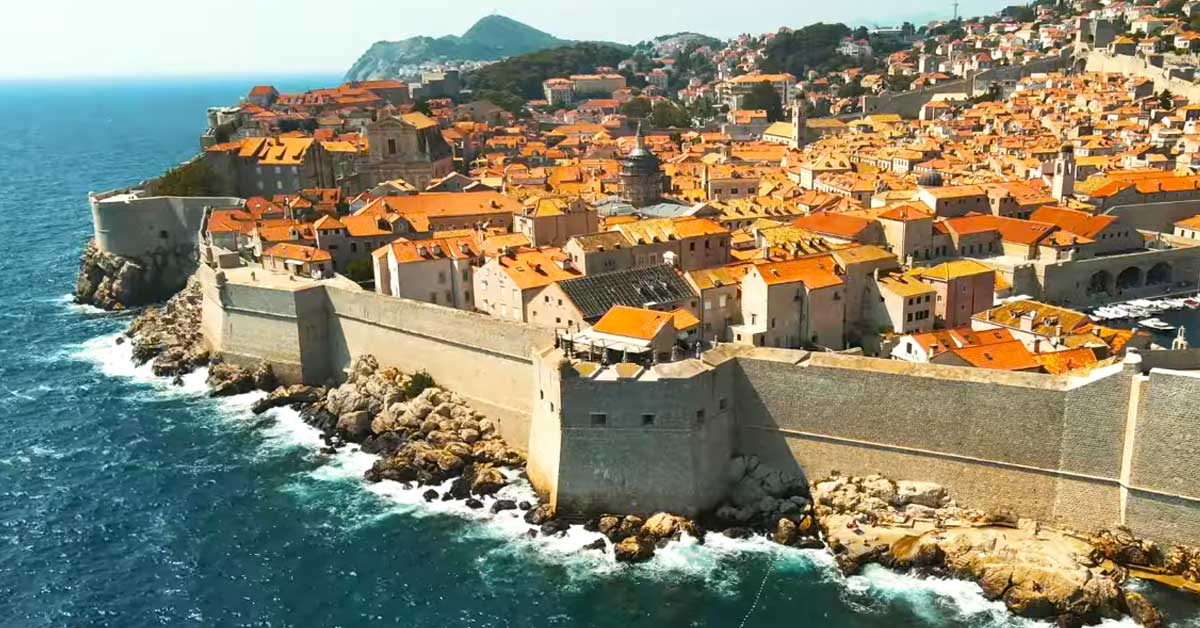
Dubrovnik is the kind of place that exists in the space between reality and fantasy. It is a UNESCO World Heritage city with a thousand years of stories, a Game of Thrones filming location that draws millions of visitors, and a Mediterranean jewel that somehow still feels authentic despite its overwhelming popularity. Before you arrive, you need to know what to expect, how to navigate it, what will delight you and what might frustrate you if you are unprepared.
This ultimate Dubrovnik travel guide covers everything you need to know before you go. It answers the practical questions that search engines love but also gives you the deeper context that will make your experience infinitely richer. You will learn the best times to visit, where to sleep, what to eat, how to move around, which attractions are worth your money and time and which are tourist traps. You will also understand the rhythm of the city and how to move through it like someone who knows what they are doing.
Table of Contents
When Is the Best Time to Visit Dubrovnik?
The question “when should I visit Dubrovnik” does not have one answer because it depends entirely on what kind of experience you want.
Dubrovnik sits on the Mediterranean coast with a climate that is pleasantly warm for much of the year but dramatically changes its character from season to season. The city itself has about 2,900 hours of sunshine per year, which means you are almost guaranteed sun and clear skies when you visit, but the crowds and the heat vary enormously.
Summer, from June through August, is technically peak season. Temperatures regularly hit 29 to 30 degrees Celsius, and the sea is warm enough for swimming with temperatures ranging from 22 to 25 degrees. The city walls look almost golden in the afternoon light, and evening strolls through the Old Town become social events where the entire city seems to flow down the main street. But here is the brutal reality of summer. The narrow medieval alleys can become literal rivers of humanity. Cruise ships arrive in waves. Hotel rooms cost double what they cost in other months. The heat by midday can exceed 35 degrees Celsius, making anything more strenuous than sitting in a shaded cafe feel like a physical ordeal. If you come in July or August, you must accept that you will share every moment with thousands of other people.
April and May, and then again September and October, represent what travel writers call the shoulder season, and it is genuinely the best time to visit Dubrovnik if you want to balance weather with comfort. In these months, temperatures sit around 20 to 25 degrees Celsius, which is warm enough for swimming and exploring but cool enough that walking up a thousand steps does not feel like climbing a mountain in armor. The sea is still pleasant, especially in May and September. Most restaurants and attractions remain open. Crowds are significantly smaller, meaning you can actually hear the sound of your own footsteps on Stradun instead of fighting through a silent crush of bodies. April particularly stands out. Easter is considered the official start of the tourist season, so by mid April most businesses have reopened for the year. The city is essentially back to life, flowers are blooming, and the light is perfect without the harshness of summer sun.
Winter from November through March brings cooler temperatures averaging between 11 and 16 degrees Celsius. Rain becomes much more frequent, with November and December being the wettest months. But winter also brings something valuable: silence and space. The city is almost yours. If you do not mind a jacket and the occasional rainy afternoon, winter is when Dubrovnik reveals itself as something more than a photo destination. You can have coffee in a small cafe without being jostled, walk the city walls without a queue, and sit in restaurants with actual local residents who live there. December brings the Dubrovnik Winter Festival with Christmas markets and decorations that transform the medieval streets into something from a fairy tale.
The practical answer is this: visit in April, May, September or October if you want the best of everything. Visit in summer only if you are committed to very early mornings and very late evenings for your sightseeing, accepting that the midday hours will be too crowded and too hot to explore properly. Skip the height of summer if you are sensitive to crowds or heat.
Where to Stay in Dubrovnik: Finding Your Spot in the City
Choosing where to stay in Dubrovnik shapes your entire experience because location is absolutely everything in a city this compact and this crowded.
The Old Town itself is the obvious choice for many visitors. It is where the major attractions are, where the restaurants cluster and where you wake up to the sound of the sea and the sight of terracotta rooftops. But staying inside the medieval walls has real trade-offs. Hotels in the Old Town are significantly more expensive than anywhere else. Your room will likely be small because space is precious inside the walls. At night, the sound of bars and late-night conversations can drift up to your window. And paradoxically, even though you are in the center of the action, moving around feels difficult because of the narrow alleys and constant stairs.
If you want a proper Old Town experience, quality hotels to consider include the Boutique Hotel Stari Grad, a gorgeously restored 16th century building with just nine suites and a stunning rooftop breakfast terrace overlooking the city. The Pucić Palace Hotel offers historic charm with modern comfort. For those willing to rent a private space, several villas operate within the walls, offering more room and flexibility than a hotel could provide.
Outside the Old Town but still walking distance, the neighborhoods of Ploče and Lapad offer a different rhythm. Ploče is immediately adjacent to the Old Town and still feels medieval and atmospheric but is noticeably quieter and has better value. The Hotel Excelsior sits on the waterfront in this area with private beach access, modern amenities and views that rival anything inside the walls. Villa Dubrovnik offers contemporary design, a spa and direct sea access.
Lapad is further out, about 15 minutes walking, but it has become increasingly popular because it offers access to better value accommodation while still being close enough to the Old Town to walk if you want. The Hotel Dubrovnik Palace sits on a peninsula with multiple restaurants, pools and attracts more local residents than the absolute center.
Practical tips for choosing accommodation:
- Read recent reviews that mention noise levels, as many guests regret staying in areas with late-night bars
- Check exactly where your room is located. Inside the Old Town can mean wonderfully central or tucked on a very quiet side street
- Consider whether you want the energy of being surrounded by tourists or prefer to retreat to a quieter zone and walk in
- Book accommodation with a safe if you are bringing valuable electronics or documents
- Confirm in advance whether parking is available and what it costs, as many hotels have no parking
A realistic budget for accommodation ranges from 80 euros for a basic private room outside the center to 150 euros for a decent mid-range hotel to 250 plus euros for anything in the Old Town with good reviews.
Even before you book your trip it helps to understand how safe the city actually feels in different seasons, so you can read our honest safety breakdown here: Is Dubrovnik safe? The in‑depth guide you actually need
Getting Around Dubrovnik: Movement Through the City
Dubrovnik is small enough that you can walk almost everywhere, which is fortunate because much of the time you have no choice.
The historic Old Town is entirely pedestrian. Cars are banned. There is no public transport inside the walls. You walk on marble and stone streets, many of which are not level and many of which include steps. This is simultaneously charming and physically demanding, especially after several hours or several days of continuous walking on hard surfaces.
The main artery through the Old Town is Stradun, a wide marble-paved street that runs from the Pile Gate on the western side to the Ploče Gate on the eastern side. It is roughly one kilometer long, though it feels longer because of the gentle slope and the constant flow of people. Almost everything of importance branches off from Stradun. If you are completely lost, finding Stradun will reorient you.
Outside the Old Town, buses are cheap and functional. A single journey ticket costs about three euros. A three-day pass costs eight euros. Buses are slower than walking for short distances but necessary if you are going to Lapad or other neighborhoods. The cable car up Mount Srd, the mountain directly behind Dubrovnik, costs about 12 euros return and operates daily. The view from the top is legitimately excellent and the ride takes only about three minutes.
Taxis and Uber both operate in Dubrovnik. They are more expensive than buses but offer convenience, especially at night. Agree on price before entering a traditional taxi. Ride-sharing apps show the price upfront. For excursions outside the city like trips to Mostar or the Elaphiti Islands, book tours in advance or use prearranged transport.
What to See and Do: The Essential Attractions
Dubrovnik attractions cluster in a few clear categories. Understanding which category appeals to you helps you plan your time more effectively.
The City Walls represent the most iconic attraction. These medieval stone walls, some of which date back to the 12th century, encircle the entire Old Town. Walking the walls takes between one and two hours depending on your pace, and you gain panoramic views of the city, the sea and the surrounding islands. The entrance fee is 35 euros, which is significant, but it is worth every cent. Go early in the morning or later in the afternoon to avoid the heat and the worst of the crowds. The highest point is Minčeta Fortress on the northwest corner, which offers the most striking views.
The Old Town itself is essentially one large attraction. Stradun, the main street, flows with people shopping, eating, taking photos and moving purposefully between points. But the real magic happens when you step off the main drag into the maze of side streets. You find tiny fountains in hidden squares, local residents living life around you, cats sleeping on stone steps and doorways that suggest generations of history. Onofrijeva Fountain, at the western end of Stradun where you enter the city, is a stunning 15th century monument worth noticing rather than just passing.
Historic sites in the Old Town include Rector’s Palace, which once served as the administrative seat of the Dubrovnik Republic and is now a museum. Fort Lovrijenac stands outside the western walls and has become famous as the “Red Keep” from Game of Thrones. The Cathedral stands in the center of the Old Town and is worth entering for the interior artwork and mosaics. The Dominican Monastery and Museum, located near the Ploče Gate, houses valuable art and a peaceful courtyard.
For those interested in Game of Thrones, multiple tour companies offer specialized walks through the “King’s Landing” filming locations. These tours are popular, reasonably priced and genuinely informative about both the show and the city’s history. Even if you have not watched the series, you will learn about Dubrovnik itself.
Beach activities center around several locations. Banje Beach sits just outside the Ploče Gate and is the closest to the Old Town but also the most crowded. Lokrum Island, a short ferry ride from the Old Harbor, is quieter and features a botanical garden, peacocks brought from the Canary Islands decades ago, and Fort Royal which offers another viewpoint over the city. Local residents often prefer smaller beaches like Buza, which is accessed through a local bar inside the Old Town and offers swimming directly in front of the city walls.
For a full day away from the Old Town, the Elaphiti Islands, a short boat ride from the Old Harbor, offer swimming, beaches and a complete escape from tourist masses. Sunj Beach on Lopud Island is considered the most beautiful sandy beach in the Adriatic. Tours typically include drinks on the boat and optional lunch. Prices range from 35 to 60 euros depending on length and included amenities.
There are few museums in Dubrovnik: Ethnographic Museum, Archaeological Museum, Maritime Museum, Natural History Museum, Rector’s Palace.
Food and Dining: Eating Your Way Through Dubrovnik
Dubrovnik’s food identity is Mediterranean. Fresh seafood dominates every menu. Quality ingredients are available because the sea is literally outside your door. But understanding where to eat and how to approach restaurant costs dramatically shapes your experience.
Restaurants on Stradun and in the absolute prime locations of the Old Town are objectively overpriced. A simple seafood pasta can cost 25 euros. Prices reflect the captive audience of tourists who will eat what is in front of them and rarely look at prices until the bill arrives. This is not unique to Dubrovnik, but it is more extreme here because of the density of visitors and the lack of alternative options inside the walls.
Better value restaurants sit just one or two alleys away from the main drag. Walk past Stradun into the quieter streets and you find places where locals still eat, where prices are 30 percent lower and where the food is often equal or better in quality. Gradska Kavana Arsenal is one of the best restaurants in the city for traditional Croatian cuisine, seafood especially, and while popular, it is not the absolute most expensive option available.
Specific dishes to try include:
- Fresh grilled squid, often served on a bed of potatoes
- Black risotto, made with squid ink
- Dalmatian smoked ham, similar to Spanish jamón
- Octopus salad
- Mali Ston oysters from the coast near the town of Mali Ston
Pizzerias in Dubrovnik are genuinely excellent. Oliva Pizzeria offers traditional Italian style pizza at reasonable prices. Pizza serves as an affordable meal option when you are tired of seafood or need something lighter.
For fine dining, Restaurant 360 holds one Michelin star and offers an exceptional tasting menu experience. Reservations are essential and pricing is high, but if you want a single special meal, this is a legitimate option.
Street food and casual options exist if you look. Holy Burek offers traditional burek pastries for a few euros. Barba serves creative seafood-focused dishes in small portions at moderate prices in the Old Town. Presa is a casual spot with excellent value, offering simple prepared food at normal prices.
Budget approximately 15 to 25 euros for a good lunch in the Old Town, 30 to 50 euros for dinner at a nice restaurant not on the absolute most touristy corner, and 100 plus euros if you are going to a Michelin recommended establishment. Cooking classes where you learn to prepare traditional Dalmatian cuisine offer both food and education for around 60 euros.
FAQ – Ultimate Dubrovnik Travel Guide Frequently Asked Questions
What is the best time of year to visit Dubrovnik?
April, May, September and October offer the best combination of good weather and fewer crowds. Summer is hot and crowded. Winter is quiet and wet.
How many days should I spend in Dubrovnik?
Most visitors find three days sufficient to see the main attractions, walk the walls, visit nearby islands and explore the Old Town thoroughly. Two days is minimum. Four to five days allows for day trips and a more relaxed pace.
Is Dubrovnik really as beautiful as the pictures?
Yes, but it is also more crowded than the pictures suggest. The beauty is authentic, the crowds are real.
What should I absolutely not miss in Dubrovnik?
Walking the city walls, spending time in the quiet streets away from Stradun, swimming or sitting by the sea, and trying fresh local seafood.
Is Game of Thrones actually filmed in Dubrovnik?
Yes, extensively. The Old Town served as King’s Landing. Whether you are a fan matters less than understanding this context explains why millions of people visit.
Can I visit Dubrovnik without spending a fortune?
Yes, but you must be strategic. Eat away from main streets, visit free attractions like walking neighborhoods, and buy groceries to eat some meals in your accommodation.
Our Most Popular Tours To Sarajevo
We offer many tours that include a visit to Sarajevo and its most popular locations:
- Full Day tour from Sarajevo to Belgrade (Most Popular)
- Full Day tour from Sarajevo to Međugorije & Mostar
- Full Day Tour from Sarajevo to Travnik and Jajce
- Full-Day 5 Cities Tour from Sarajevo to Herzegovina (Mostar)
- Full day Tour from Sarajevo to Dubrovnik (Kotor or Split)
Don’t Hesitate To Say Hi!
Got any questions about our tours or the city? Don’t hesitate to contact us anytime for more info and booking.
Use the following phone number and email: