
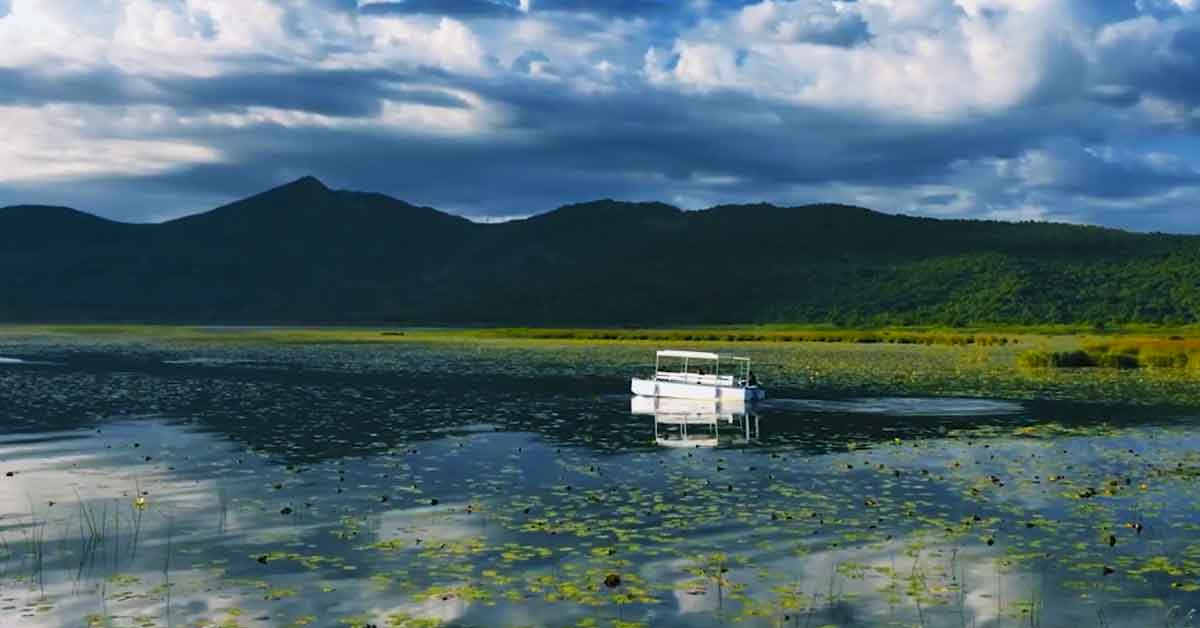
Imagine a landscape so alive with birds that the sky appears to flutter with wings, where thousands of creatures descend on wetlands in synchronized migrations that have persisted for millennia. Welcome to Hutovo Blato – one of Europe’s most extraordinary and least-known natural treasures. Located just 30 kilometers south of Mostar in Herzegovina’s lower Neretva Valley, this 7,411-hectare wetland nature reserve represents a world apart from the urban energy of the city. Here, emerald water channels weave through dense reed marshes, ancient forests, and wildflower meadows. Towering limestone cliffs frame the landscape. Water birds of species you’ve never imagined exist perform daily rituals of hunting, nesting, and migration.
Hutovo Blato is recognized as Europe’s largest winter bird refuge – during migration seasons, up to 100,000 individual birds from across Europe and Africa gather here simultaneously, transforming the wetlands into a living ornithological spectacle. The reserve hosts 250+ bird species – more species than many entire countries possess. Beyond birds, Hutovo Blato sustains rare fish species (many found nowhere else), amphibians, water plants, and wetland ecosystems that have survived relatively unchanged for centuries.
The reserve’s significance extends beyond tourism attraction to international ecological importance. UNESCO recognizes Hutovo Blato as a Ramsar site (wetland of global significance), BirdLife International designates it as an Important Bird Area, and environmental organizations worldwide reference it as essential habitat for species threatened by climate change and habitat destruction. Yet for most travelers, Hutovo Blato remains unknown – overshadowed by more famous attractions. This comprehensive guide reveals why visiting Hutovo Blato transforms understanding of Bosnia’s natural heritage and creates memories that photographs struggle to capture.
Table of Contents
Geography and Geology of Hutovo Blato – How a Wetland is Born from Limestone
Hutovo Blato’s existence depends on one of nature’s most elegant geological processes. The wetland was created by the Krupa River – a karst waterway that emerges from underground limestone aquifer systems and flows toward the larger Neretva River. Unlike conventional rivers collecting runoff from surrounding slopes, the Krupa emerges nearly fully formed from subterranean sources, creating dramatically reliable water supply independent of seasonal rainfall variations.
The landscape’s foundation is limestone – pure calcium carbonate comprising mountains surrounding the reserve. Over geological timescales (tens of thousands of years), water seeping through limestone created cave systems and aquifers of extraordinary proportions. The Krupa and associated springs tap these massive underground reservoirs, which continue flowing even during droughts that would devastate conventional river systems. This reliable water supply enabled the wetland ecosystem to develop in an area that otherwise might become arid Mediterranean scrubland.
The actual wetland – approximately 7,411 hectares – is divided into three main lakes formed by water accumulation in the low-lying Neretva Valley floor: Deransko Lake, Svitavsko Lake, and the connecting marsh zones. The northern section remains shallower and more vegetated; the southern sections deepen toward the Neretva River connection. The reserve lies at sea level to approximately 600 meters elevation at its highest points – creating altitude diversity that permits multiple habitat types within the protected area.
Biodiversity of Hutovo Blato – Living Inventory of European Natural History
What renders Hutovo Blato extraordinary is its biological complexity within surprisingly modest geographic area. The wetland serves simultaneously as breeding ground, migration stopover, and winter refuge for bird species spanning from Arctic regions (migratory waders and waterfowl) to African savanna inhabitants (egrets and herons). The reserve’s position on major migration corridors – specifically the route connecting Northern and Central Europe with Asia and Africa – makes it essential for hundreds of species.
Bird Species represent Hutovo Blato’s primary claim to fame. Research documents 163 confirmed bird species from 39 families inhabiting the reserve at various seasons. During spring and autumn migrations, the number of individuals reaches astonishing levels – estimates suggest up to 100,000 birds simultaneously occupy the wetlands during peak migration periods. Winter hosts 53 bird species that winter in the reserve, with tens of thousands of individuals creating visual spectacles where flocks number in thousands.
The iconic species visible to visitors include Great White Egrets (elegant wading birds reaching 1 meter height, snow-white plumage), Purple Herons (darker coloration, secretive nature), Night Herons (nocturnal, distinctive red eyes), Squacco Herons (smaller, buffy coloration), and various ducks including Ferruginous Ducks (rare, sought by birdwatchers). Raptors include Marsh Harriers, Montagu’s Harriers, Buzzards, and occasionally Golden Eagles. Specialty species like Glossy Ibis (with iridescent emerald-colored wings) and Eurasian Spoonbill (with distinctive shovel-shaped bills) attract international birdwatchers specifically seeking these species.
Flora reflects Mediterranean climate combined with wetland conditions. Three habitat zones support distinct vegetation communities. The dry upland areas support Mediterranean scrubland with juniper, myrtle, and pistachios. The intermediate zones feature deciduous forests and grasslands. The water zones host specialized aquatic vegetation including water lilies, various reed species, and cladium (saw-sedge) creating dense stands that provide essential bird nesting habitat.
Fish Species number around 22-23 species, with approximately 63% being endemic to the region – found nowhere else globally. The Krupa and Neretva connections to the Adriatic Sea mean that some euryhaline fish (capable of surviving in both fresh and salt water) access the reserve, including European eels migrating from the Atlantic Ocean to spawn.
Activities and Experiences at Hutovo Blato – Encountering the Living Wetland
Visiting Hutovo Blato involves multiple options depending on your interests, fitness level, and time availability. The reserve maintains visitor infrastructure while preserving ecological integrity – a difficult balance achieved reasonably well.
Boat Safaris represent the primary visitor experience. Standard boat rides (approximately 1 hour, 50-60 euros for 1-10 person boat) navigate the main channels and lakes, passing through reed marshes and open water where birds concentrate. Professional boatmen (park rangers knowledgeable about wildlife) propel small motorized boats or traditional rowing boats through the wetland landscape. The experience provides access to remote areas inaccessible by foot and permits approach to bird aggregations without excessive disturbance.
Boats can reach dense reed stands where herons nest, open water where dabbling ducks congregate, and elevated areas where raptors hunt. During migration seasons (March-May and August-October), the concentration of birds creates almost surreal visual experiences – hundreds of birds visible simultaneously, their calls creating a cacophony of natural sound. Winter viewing (December-February) differs – fewer total birds but sometimes dramatic concentrations of specific species, particularly wintering waterfowl. Summer (June-August) features lower bird diversity but opportunities to observe nesting species and young birds.
Kayaking and Canoeing enable quieter, more immersive experiences. The absence of engine noise permits closer approach to wildlife and creates more peaceful experiences than motorized boats. Several local operators rent simple kayaks or canoes for self-paddled exploration. This activity requires moderate physical fitness and basic paddling skill but rewards with unparalleled intimacy with the wetland ecosystem.
Hiking connects the reserve’s terrestrial sections. Multiple trails (ranging from 2-5 kilometers) traverse different habitats – upland Mediterranean scrub, transitional zones, and wetland edges. Hiking provides context for understanding landscape diversity and habitat requirements for different species. Early morning hikes (departing 6:00-7:00 AM) encounter birds during peak activity periods and reward with sunrise illumination transforming the landscape.
Birdwatching with binoculars and field guides requires patience, stillness, and learned skills in bird identification. The park publishes a comprehensive 168-species birdwatcher’s guide covering birds likely encountered in Hutovo Blato. Professional birdwatching guides (arranged through park services) provide expert identification, behavioral information, and access to locations where specific species congregate. Serious birdwatchers often spend multiple days at Hutovo Blato attempting to maximize species count – competitive “birdwatching” treats the activity as sport-like competition to identify greatest species diversity within specific timeframes.
Photography attracts bird photographers pursuing dramatic images of rare species. The wetland’s landscape photography potential is equally compelling – reflections in still water, backlit reed stands, evening light transforming water to molten gold, and silhouettes of trees and birds against sunset skies create compelling compositions.
Visiting Hutovo Blato – Practical Considerations
Location and Access: Hutovo Blato lies in Bosnia and Herzegovina (NOT Croatia, though located near the border) in the municipalities of Čapljina and Stolac, approximately 30 kilometers south of Mostar. The reserve is easily accessible from Mostar by car (45-50 minute drive) or via the Čapljina train station combined with taxi transfer (approximately 43 minutes total journey). Private vehicles enable greatest flexibility; rental cars from Mostar cost 40-70 euros daily. After exploring the wetlands and birdlife of Hutovo Blato, you can easily combine your day with a visit to Radimlja Necropolis, where rows of medieval stećak tombstones quietly tell the story of this region’s past
Entrance Fees and Costs: Park entrance is minimal (approximately 2-3 euros per person). Boat safaris cost 40-50 euros per boat for 1-hour excursions (boats accommodate up to 10 people). Kayak rentals cost approximately 15-25 euros daily. Guide services (professional birdwatching guides) cost 50-100 euros daily. These reasonable prices make Hutovo Blato exceptionally affordable compared to similar nature reserves globally.
Facilities: The park includes an Interpretation Center (small museum with exhibits explaining wetland ecology, 3 euros entrance) located at the main visitor area. A modest café/restaurant serves refreshments and basic meals (coffee 2-3 euros, sandwiches 5-8 euros, simple dishes 10-15 euros). Restrooms, parking, and picnic areas accommodate day visitors. Accommodation options in nearby Čapljina or Stolac towns provide evening lodging if undertaking multi-day visits.
Best Seasons: Spring migration (March-May) brings arriving breeding birds and passing migrants – peak activity with high bird diversity and numbers. Autumn migration (August-October) features returning migrants moving southward – equally spectacular. Winter (December-February) concentrates certain species and offers peaceful experiences with fewer day-trippers but reduced accommodation/facilities. Summer (June-August) brings reduced bird diversity but opportunities for nesting species observations and comfortable temperatures.
What to Bring: Binoculars are essential for wildlife observation – many visitors rent or borrow from park services if lacking personal equipment. Field guides (available at the Interpretation Center) assist species identification. Comfortable walking shoes are necessary for boat activities and hiking. Sun protection (hat, sunscreen) is critical – the wetland offers minimal shade. Insect repellent protects against mosquitoes, particularly during warm seasons when insect populations peak. Waterproof camera protection is prudent given proximity to water.
Photography Equipment: Serious photographers bring telephoto lenses (200mm+) permitting distant wildlife photography without disturbance. Tripods stabilize long lenses in boats. Patience is essential – wildlife photography often requires hours of waiting for favorable light and bird positioning. Professional wildlife photographers sometimes spend entire days positioned at promising locations waiting for specific species or behaviors to manifest.
FAQ – Hutovo Blato Questions
What makes Hutovo Blato unique compared to other European wetlands?
Hutovo Blato’s combination of 250+ bird species, reliable water supply from karst sources, Mediterranean climate, and position on major migration routes creates unparalleled biodiversity. It’s Europe’s largest winter bird refuge, hosting up to 100,000 simultaneous birds during migration – a concentration rarely matched elsewhere.
What is the best season to visit for birdwatching and wildlife observation?
Spring (March-May) and autumn (August-October) migrations bring peak bird diversity and numbers. Winter (December-February) concentrates specific wintering species. Summer offers nesting observations but fewer species. Early morning departures maximize bird activity and sightability.
Can I visit Hutovo Blato as a day trip from Mostar, and how much time should I allocate?
Yes, absolutely. The 45-50 minute drive from Mostar makes day trips practical. Allocate minimum 4-6 hours for a rewarding experience (1-2 hours boat safari, 1-2 hours hiking/walking, 1 hour interpretation center/relaxation).
Is Hutovo Blato accessible for families with children, elderly visitors, or those with mobility limitations?
Boat safaris accommodate most fitness levels (seated activity). Hiking trails vary in difficulty. Elderly visitors appreciate boat-only itineraries. Mobility limitations may challenge some paths, though accessible routes exist near the Interpretation Center.
How do I photograph wildlife at Hutovo Blato, and what equipment is recommended?
Binoculars (essential for observation) assist in locating subjects. Telephoto lenses (200mm+) permit distance shooting without disturbance. Patient positioning in stable locations increases success. Professional wildlife photographers often spend full days at optimal vantage points.
What’s the total cost for a comprehensive Hutovo Blato day trip from Mostar?
Budget: car rental 50-70 euros (divided among travelers), fuel 10-15 euros, entrance 2-3 euros, boat safari 40-60 euros, meals 15-25 euros, guide (optional) 50-100 euros. Total approximately 150-250 euros for individuals or divided costs for groups.
Our Most Popular Tours To Sarajevo
We offer many tours that include a visit to Sarajevo and its most popular locations:
- Full Day tour from Sarajevo to Belgrade (Most Popular)
- Full Day tour from Sarajevo to Međugorije & Mostar
- Full Day Tour from Sarajevo to Travnik and Jajce
- Full-Day 5 Cities Tour from Sarajevo to Herzegovina (Mostar)
- Full day Tour from Sarajevo to Dubrovnik (Kotor or Split)
Don’t Hesitate To Say Hi!
Got any questions about our tours or the city? Don’t hesitate to contact us anytime for more info and booking.
Use the following phone number and email: